Leave Your Message
0%

Lately, there's been a real surge in the need for better security solutions, and as a result, we've seen some pretty impressive tech innovations pop up—especially in surveillance. One of the coolest developments has gotta be wireless cameras. They’re super flexible and make monitoring your home or business a lot easier and more convenient. John Smith, who’s basically an expert in security stuff and runs SecureTech Innovations, put it like this: "Wireless cameras have totally changed how we think about surveillance. They're so easy to install and move around, which makes them great for just about anyone."

So, here’s the deal: wireless cameras send video and audio signals over Wi-Fi or other wireless networks, so no more messy wires everywhere. That means you can use them for anything—from keeping an eye on your house to watching over a store—right from your phone or laptop, no matter where you are. As these cameras keep gaining popularity, it’s more important than ever to understand how they work and what benefits they bring to the table.

Getting to know their features and capabilities really helps us see how they make life safer and give us some much-needed peace of mind—especially in today’s complicated world. And guys like John Smith remind us that staying updated on new security tech is pretty much essential if we want to stay ahead of the game. It’s all about knowing what’s out there and how it can help protect what matters most to us.
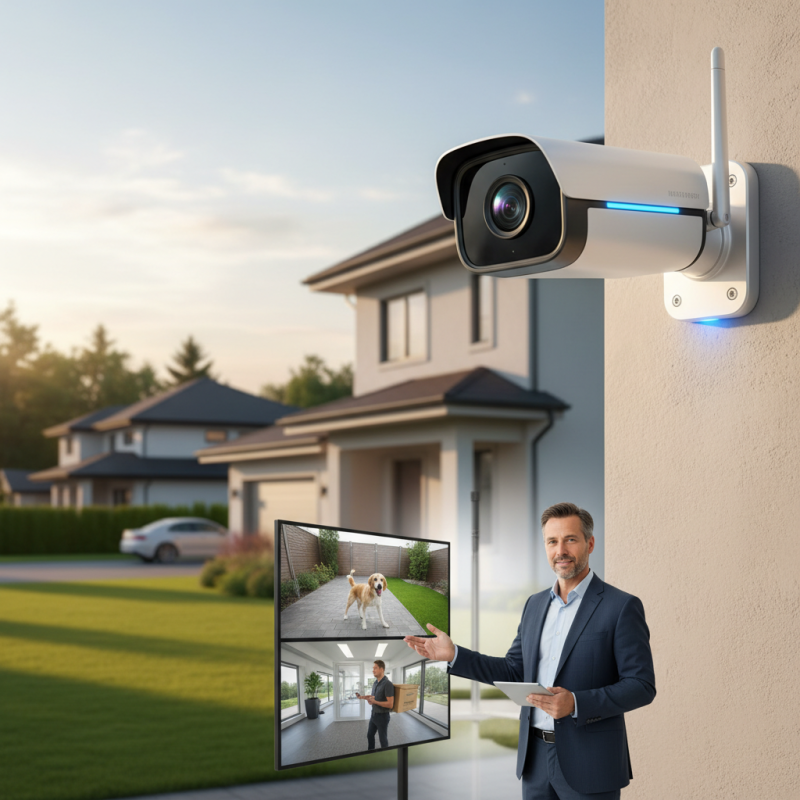
What is a Wireless Camera and How Does It Work?

Definition of Wireless Cameras and Their Basic Components

Wireless cameras are innovative surveillance tools that operate without the need for cumbersome wiring. These cameras capture and transmit video and images wirelessly, using radio frequency signals or Wi-Fi connections.

At the heart of a wireless camera are several key components that facilitate its operation: a camera lens, image sensor, transmitter, and power supply, among others.

The camera lens focuses light onto the image sensor, which converts the incoming light into an electronic signal. This signal is then processed and compressed into a digital format. The transmitter plays a crucial role by wirelessly sending the video feed to a receiver or cloud storage for real-time viewing and recording. Additionally, many wireless cameras are equipped with built-in batteries or can be powered through a power adapter, enhancing their flexibility and ease of installation in various settings.

Overall, these components work in concert to provide seamless monitoring capabilities suitable for both residential and commercial applications.

How Wireless Cameras Transmit Data: Technologies Involved

Wireless cameras are becoming increasingly popular for surveillance and monitoring due to their convenience and flexibility. These cameras primarily rely on wireless technologies to transmit video and audio data, which eliminates the need for cumbersome cables. Common technologies used in wireless cameras include Wi-Fi, Bluetooth, and cellular networks. Wi-Fi-equipped cameras connect to a home or office network, enabling easy streaming of live footage and remote access from smartphones or computers.

One of the critical aspects of wireless camera functionality is the compression of video data before transmission. This process allows for more efficient data transmission, ensuring quality video even over limited bandwidth. In addition to compression, wireless cameras often utilize encryption to secure the data being sent, safeguarding it from unauthorized access. The integration of motion detection sensors can further enhance these cameras by triggering recordings only when movement is detected, conserving bandwidth and storage space.

**Tip:** When setting up a wireless camera, ensure your Wi-Fi network is secure to prevent unauthorized access. Regularly update camera firmware to benefit from the latest security enhancements. Furthermore, consider the positioning of the camera to maximize its field of view while avoiding obstructions that could impede the signal strength.

Power Sources for Wireless Cameras: Battery vs. Plug-in Options

Wireless cameras have become a popular choice for surveillance and home security due to their flexibility and ease of installation. When considering a wireless camera, one of the critical aspects to evaluate is the power source. There are primarily two options: battery-powered and plug-in models, each offering distinct advantages and challenges.


Battery-powered wireless cameras provide the ultimate in installation flexibility, as they can be placed in locations without the need for electrical outlets. This makes them ideal for outdoor use or in areas where it may be difficult to run wires. However, the reliance on batteries means that users must be mindful of battery life and regularly monitor the power levels to ensure uninterrupted functionality. In some cases, features like low-battery alerts can help mitigate the risks of running out of power unexpectedly.


On the other hand, plug-in wireless cameras offer a more stable power solution. These devices can be plugged directly into a power outlet, which eliminates the concern of battery depletion and frequent replacements. This makes them particularly suitable for high-traffic areas or situations where continuous surveillance is needed. The trade-off may involve more complex installation processes, such as managing cables, but the reliability and consistent power supply can outweigh these inconveniences for many users. Ultimately, the choice between battery and plug-in options will depend on individual needs and installation circumstances.

Types of Wireless Cameras: From CCTV to IP Cameras

Wireless cameras have revolutionized surveillance and security systems, offering various types tailored to specific needs. Two primary categories of wireless cameras are CCTV and Ip Cameras. CCTV, or closed-circuit television, typically transmits signals to a limited set of monitors, ensuring private viewing of the feed. These cameras are often used in commercial settings for monitoring large areas, such as retail stores and parking lots, providing reliable footage without the need for extensive wiring.

On the other hand, IP cameras utilize internet protocols to transmit data, allowing for remote viewing and access from anywhere with an internet connection. These cameras provide higher resolution images and often come equipped with advanced features like motion detection and cloud storage options. Their flexibility makes them suitable for both residential and commercial applications, enabling users to monitor their properties in real-time via smartphones or computers. The choice between CCTV and IP cameras largely depends on user requirements, including the desired level of control, image quality, and ease of installation.

Wireless Camera Types and Their Popularity

Installing and Setting Up a Wireless Camera: Step-by-Step Guide

Installing and setting up a wireless camera can seem daunting, but with a step-by-step approach, it becomes a manageable task. Start by selecting an appropriate location for your camera, ensuring it has a clear view of the area you want to monitor. Make sure the spot is within range of your Wi-Fi network for optimal connectivity. Once you’ve identified the location, mount the camera securely, following the manufacturer's guidelines to avoid any potential damages.

After mounting the camera, the next step is to connect it to your Wi-Fi network. Usually, this involves downloading the camera's companion app on your smartphone or tablet. The app will guide you through connecting the camera to your Wi-Fi, often requiring you to scan a QR code or enter your network details. Once connected, you can adjust the camera settings, such as resolution and motion detection, according to your preferences.

Tips: Before installation, ensure your Wi-Fi signal is strong in the chosen area. Consider performing a speed test to confirm your internet connection's reliability. Additionally, regularly check battery levels if your wireless camera is battery-operated, as this will help maintain continuous monitoring. Lastly, familiarize yourself with the app features to make the most of your wireless camera’s capabilities, such as remote viewing and alert notifications.

Common Applications of Wireless Cameras in Various Industries

What is a Wireless Camera and How Does It Work?

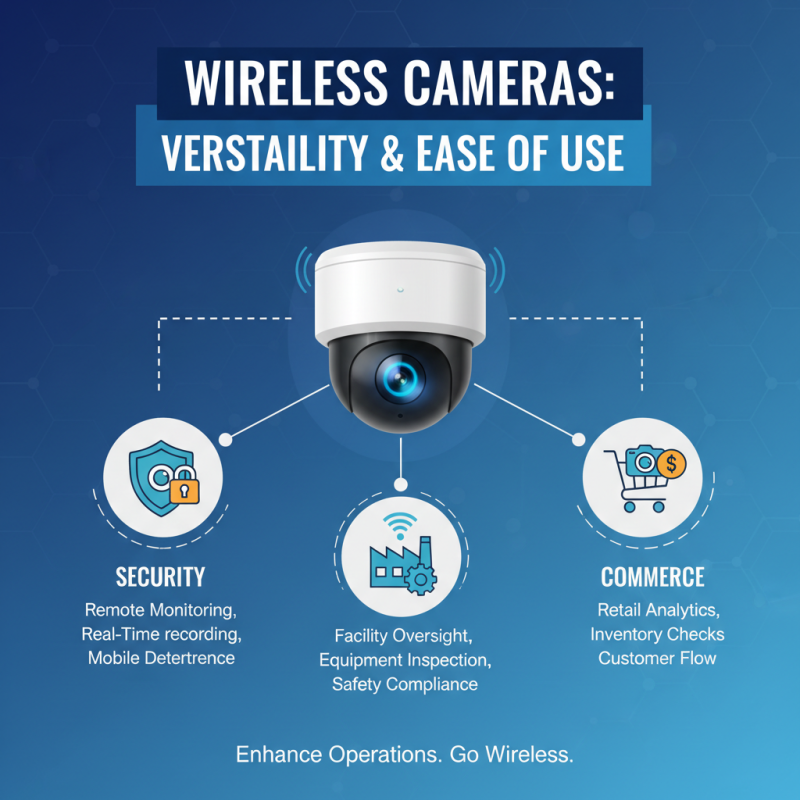
Wireless cameras have become increasingly popular across various industries due to their versatility and ease of use. In security, for instance, businesses employ wireless cameras to monitor premises without the hassle of extensive wiring. These cameras can be strategically placed in remote locations, allowing real-time monitoring and recording, which is essential for enhancing security measures and deterring criminal activities. Their mobility also means they can be relocated easily as security needs change.

In the healthcare industry, wireless cameras play a crucial role in patient monitoring. Medical facilities use these devices to ensure the safety and well-being of patients, especially in critical care environments where constant observation is necessary. The real-time data transmission provides healthcare professionals with immediate access to vital signs, enabling quicker responses to emergencies. Additionally, wireless cameras are utilized in telemedicine, allowing doctors to consult with patients remotely while maintaining a visual connection for more effective assessments.

Moreover, in the retail sector, wireless cameras are instrumental in loss prevention and customer behavior analysis. Retailers utilize these cameras to monitor store traffic and customer interactions, which helps in optimizing layouts and improving customer service. The flexibility and scalability of wireless Camera Systems make them an invaluable tool across these diverse applications, contributing to enhanced efficiency and security in various operational contexts.

Addressing Security and Privacy Concerns with Wireless Cameras

Wireless cameras

offer significant advantages in terms of convenience and ease of installation, making them attractive for residential and commercial security. However, their proliferation has raised important security and privacy concerns that users must address. One primary issue is the vulnerability of these devices to hacking. As wireless cameras rely on internet connectivity, they can be susceptible to unauthorized access if not adequately secured. Users should take proactive measures, such as changing default passwords and regularly updating firmware, to minimize risks.

Another critical concern

relates to the privacy of individuals being recorded, often without their consent. This issue is especially poignant in shared spaces, where people may not expect surveillance. To address these concerns, it is essential to adopt a clear policy regarding when and where cameras are operational and to ensure transparency with those who may be monitored. Furthermore, many regions have regulations regarding surveillance that must be followed to respect privacy rights. By prioritizing ethical considerations and implementing robust security measures, users can harness the benefits of wireless cameras while mitigating potential risks.

FAQS

: What are wireless cameras and how do they operate?

: Wireless cameras are surveillance tools that operate without wiring. They capture and transmit video and images using radio frequency signals or Wi-Fi. Key components include a camera lens, image sensor, transmitter, and power supply.

What are the main types of wireless cameras?

The main types of wireless cameras are CCTV (closed-circuit television) and IP (internet protocol) cameras. CCTV systems transmit signals to a limited set of monitors, while IP cameras use internet protocols for remote viewing and offer advanced features.

What are the advantages of using wireless cameras?

Wireless cameras offer significant advantages such as convenience, easy installation, and the ability to monitor properties in real-time from anywhere with an internet connection. They are suitable for both residential and commercial use.

What security concerns should users be aware of when using wireless cameras?

Users should be aware that wireless cameras can be vulnerable to hacking due to their internet connectivity. It is important to secure these devices by changing default passwords and regularly updating firmware.

How can privacy issues be addressed with wireless cameras?

Privacy concerns can be addressed by establishing clear policies regarding when and where cameras operate, ensuring transparency with individuals being recorded, and adhering to local regulations regarding surveillance.

Why might someone choose an IP camera over a Cctv Camera?

Someone might choose an IP camera over a CCTV camera for its ability to provide higher resolution images, remote access capabilities, and advanced features such as motion detection and cloud storage.

What should be considered when installing wireless cameras?

When installing wireless cameras, users should consider the desired level of control, image quality, ease of installation, as well as potential security and privacy implications.

Can wireless cameras operate without constant power supply?

Yes, many wireless cameras are equipped with built-in batteries or can be powered through adapters, providing flexibility for installation in various environments.

What features can modern wireless cameras offer?

Modern wireless cameras can offer features such as motion detection, cloud storage options, high resolution, and remote access via smartphones or computers.

How can users protect their wireless cameras from unauthorized access?

Users can protect their wireless cameras by changing default passwords, regularly updating firmware, and employing secure network configurations to minimize the risk of unauthorized access.

Conclusion

A wireless camera is a sophisticated surveillance device that operates without the need for extensive wiring, leveraging wireless technology to transmit video and audio data. These cameras consist of essential components such as lenses, image sensors, and transmitters, allowing them to send data to a receiver or cloud storage. Various technologies, including Wi-Fi, Bluetooth, and cellular networks, enable this seamless communication. Power sources for wireless cameras can either be battery-operated or plug-in, providing flexibility for different installation scenarios.

There are several types of wireless cameras, such as CCTV and IP cameras, each serving unique purposes across various industries. The installation process typically involves a step-by-step guide that ensures proper setup for optimal performance. Wireless cameras play a crucial role in security and monitoring applications, although concerns regarding security and privacy must be addressed to ensure user confidence in the technology. Overall, wireless cameras offer a versatile and effective solution for surveillance needs in today's digital age.
Liam

Liam

Liam is a dedicated marketing professional at Shenzhen Ziyangxing Technology Co., Ltd., where he leverages his extensive knowledge of the company's innovative products to drive success. With a deep understanding of the technology industry, Liam consistently updates the company's website with......
Previous Discover Enhanced Driving Safety with Innovative Car Navigation System and Backup Camera