
Leave Your Message
One of them is the Rear View Camera-the device whose use advances visibility and reduced Blind Spots while reversing. These changes have brought about tremendous advancement in vehicular safety and driver assistance systems. With the present trend of installing more and more advanced electronic systems within automobiles, it has become always the more essential for manufacturers and users alike to understand the various types of Rear View Cameras, their specialized features, and practical applications.
Shenzhen Ziyang Xing Technology Co., Ltd. has taken this path ever since the company was established in the year 2014. Armed with years of experience in the field of development of automotive electronic products, video display, as well as all related software and hardware technologies, Ziyang Xing specializes in designing and manufacturing high-quality LCD driver mother boards and the camera modules of vehicles. The article goes on to talk about the various landscapes for Rear View Camera, which not only progressive technologies improve the safety of driving but also indeed visible progress in the other commitment pattern of companies like Ziyang Xing to building tomorrow's automotive experience using advanced technology.
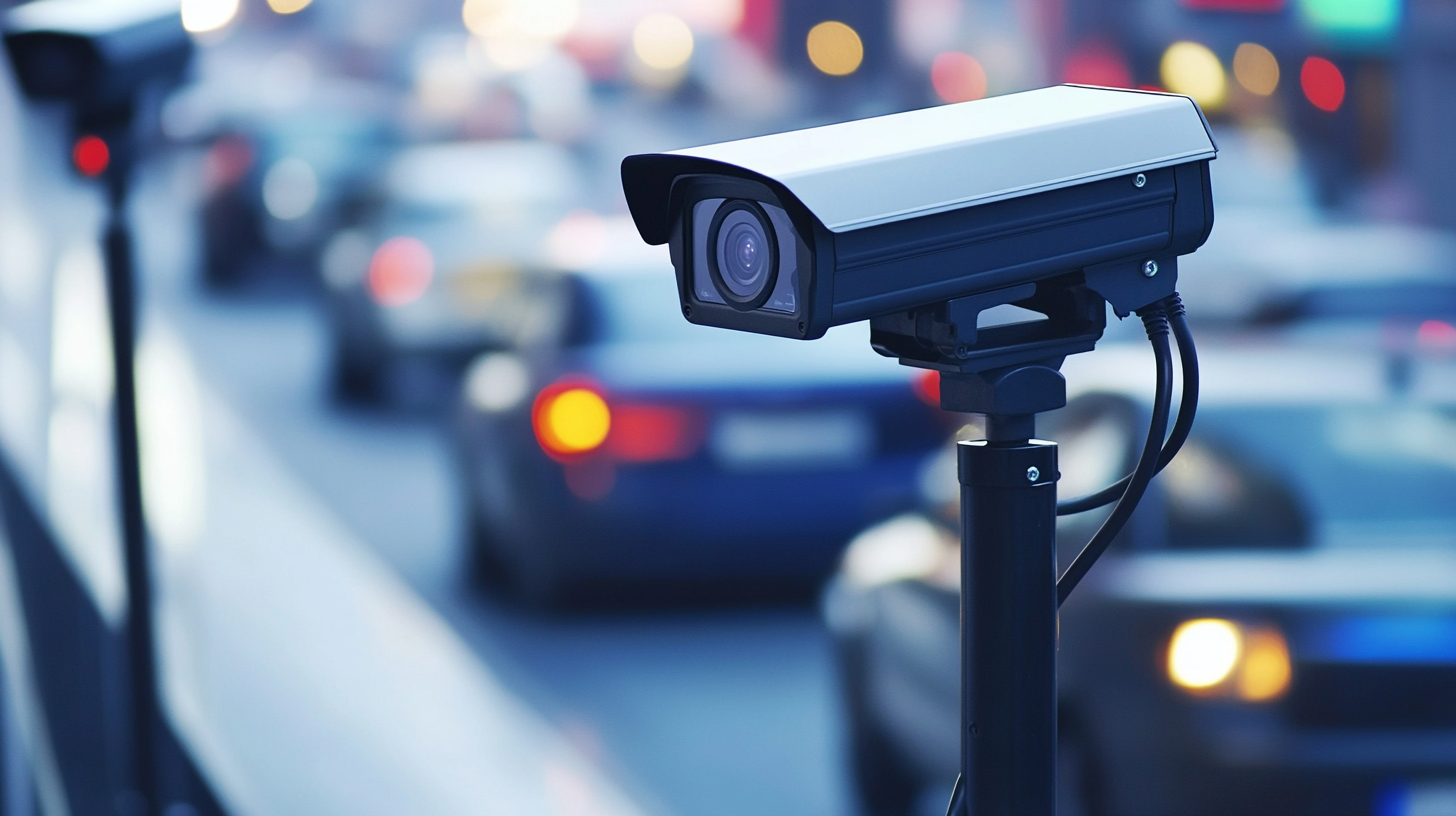
Rear view cameras have witnessed a fast development over the past few years, with various designs being available for vehicle safety and enhancement of the driving experience; the current blog observes various types of rear view cameras, emphasizing their distinctive features and applications. The available choice can basically be placed in three different categories of cameras: traditional, digital, and advanced technologies that use thermal imaging and night vision. Traditional rearview cameras work with an analog system to give the driver a basic view. Such systems assist in parking maneuvers while basically improving safety. Digital rearview cameras, on the other hand, generate higher-resolution images and can superimpose other features regarding the area behind the vehicle, including guidelines and spotting obstacles that might be outside the driver's view. The market of digital Camera Systems is quickly growing and is anticipated to reach $23 billion by the year 2025, according to the industry analysis by MarketsandMarkets. In recent developments, major advancements have been realized with the application of new technology in rearview cameras. Recently, the thermal imaging system has started to heat the market, with the ADASKY systems appearing on the scene. Gentex's investment in this Israeli startup represents the ever-increasing demand for better night vision systems in vision. This technology enables drivers to see beyond what is normally visible, thus improving safety in low-light areas and dangerous situations. The thermal imaging market, estimated at around $4 billion in 2020, is expected to more than double to over $8 billion by 2025, which shows how intensely advanced rearview systems using modern technologies are being focused on.

Among the different types of rear view camera options, the analog cameras have metaphorically stood the test of time, providing reliable and easy functionality for vehicle safety. These cameras are typically based on the simplest video signal transmission system with minimum cost and bidirectional maintenance simplicity. Though image quality is not at par with many of the modern-day digital cameras, they are adequate for the routine tasks of parking and reversing, earning them a special place in the hearts of many drivers.
Another point of traditional analog rear view cameras is that they are also quite strong. They are built to match the weather fluctuations and the outside impacts expected over a lifetime. The use of an analog signal also simplifies the installations and avoids using complex software setups, allowing more people to access and enjoy them. Plus, they almost always provide a wider field of view because it makes the driver understand a lot more of what is going on around his vehicle when maneuvering it.
Further, it would mean minimal latency in display of video because of its simplistic technology, so it will be showing video almost immediately, which may be critical in some tight situations. Due to this immediacy, the chances of accidents are reduced since the driver can instantly react to obstructions behind. Moreover, repair and replacement adds up to that analog rear view cameras tend to be less expensive compared to other types of cameras, thus solidifying their stance as indeed the most practical option for those who want utilitarianism without frills. They remain a reliable option for enhanced rear visibility, a better driving experience, whether for private or fleet holders.

Digital rear view cameras are engineered to change the performance of vehicles with respect to safety and maneuverability. The images received from a digital camera are much clearer than those received from an analog camera, thereby giving the driver an enhanced view of his surroundings. Real-time visibility, blind spot reduction, increased overall awareness, and particularly increased awareness for crowded urban environments or within a challenging parking situation are among the most significant sources of improvement brought about using this technology.
Advanced features such as night vision, adaptive grids, and obstacle detection systems make up the next generation of digital rear view cameras. Night vision allows drivers to see what is happening around their vehicles despite limited light. Adaptive grids facilitate precise parking maneuvers, while some systems offer alerts against nearby obstacles, making reversing much safer for pedestrians and drivers.
It is becoming ever more apparent as to how automakers are adopting these advanced technologies, transforming digital rear view cameras from novelty to status quo. With new advances around sensor technologies and image processing capabilities, the future looks promising for the rear view camera - brighter than it has ever been, promising even smarter solutions for ensuring safety and convenience as they pertain to driving. These digital systems signal not just innovation but also a growing concern for embedding technology into the widespread driving experience altogether.
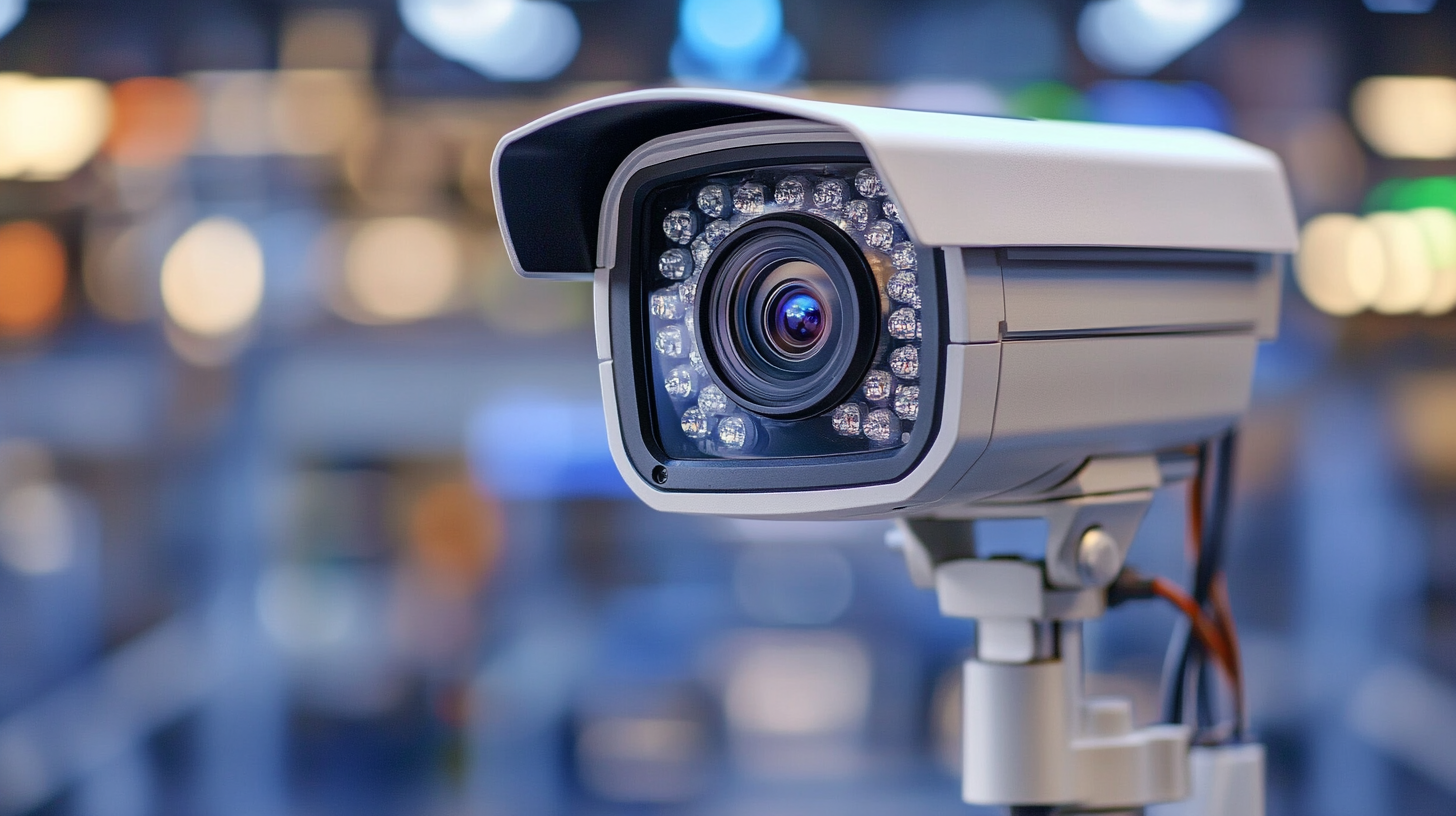
Wireless rear-view cameras are revolutionizing the perception standpoint of drivers toward their backing convenience and safety. They are different from wired systems, which are often laboriously labor-intensive to install and still leave the driver with a mess of wires. The installation of wireless rearview cameras is a breeze. These cameras then call for minimum wiring and can be mounted and used almost on the spot on many different types of vehicles, thus becoming very appealing to any car owner in search of simplicity and efficiency.
The securely treated wireless connection between these cameras and the vehicle dash presents a rear view for streaming video in real-time. This has proved particularly useful in larger vehicle instances, where blind spots can spell danger. Most of the wireless models now also have advanced functionality, such as night vision and wide-angle lenses, promoting brighter and broader areas of view behind the vehicle. Increased visibility, especially at night, minimizes the risk of accidents while reversing and increase the laser-ordering confidence pathway for working in tight spaces by drivers.
Most of the time, the integration of wireless rear-view cameras into smartphone applications allows users to observe what is around their cars from a direct input on their devices. With this modern connectivity, the driver can receive alerts of nearby obstacles or pedestrians, thereby increasing situational awareness. It will be exciting to see how wireless systems evolve with advancements in technology; their convenience will inevitably inspire further innovations, making them a necessary part of any existing automotive safety solution.
360-degree cameras are single most important technological evolution in vehicle safety, giving even greater visibility to drivers and thereby reducing the possibility of accidents. Vehicle-related accidents that occur due to blind spots, as stated by the National Highway Traffic Safety Administration, account for almost 30% of all collisions—mostly occurring during parking or lane changes. By equipping 360-degree camera systems into vehicles, manufacturers are trying to meet this important safety criterion head-on.
Using multiple lenses placed all around the vehicle, those cameras create a full bird-eye view, enabling drivers to spot obstacles that may otherwise remain concealed from an ordinary rearview mirror. IHS Markit research underlines the statistics: vehicles equipped with surround-view systems are 50% less likely to get in an accident when parking. That gives a tremendous testimony to how effective they are with these technologies used in the real world, increasing considerably the safer experience of driving.
Moreover, 360-degree camera adoption extends beyond personal vehicles; their value is also being recognized in the commercial fleet. According to the Fleet Management Institute, fleets where surround-view camera systems were implemented have experienced up to a 25% decrease in accident rates, resulting in lower insurance premiums and enabling greater efficiency. With the safety of drivers in the automobile sector being of utmost priority, the acceptance and advancement of 360-degree cameras will become a key influencer in securing the safety of pedestrians and drivers alike.
As it stands, camera night-vision systems have improved driving safety greatly, especially for nighttime activities. Whereas traditional cameras are generally most effective during daytime, they are unable to provide helpful images under low-light situations. This drawback was fixed by the introduction of the night vision capability, which improves vision and detection of objects sometimes invisible to ordinary sight.
The night-vision rear view cameras use an infrared (IR) illumination for visibility of the area behind the vehicle, keeping in mind that it must not blind drivers approaching from behind. The night-vision rear view camera picks up light in the infrared spectrum to show objects hidden from view by darkness, thus permitting the driver to move safely and avoid hazards. So this system is particularly useful in an urban environment where pedestrians and cyclists might be rampant and in rural settings where wildlife crossings are expected.
Beyond the personal vehicles, the operational routines of these night-vision rear view cameras is becoming widespread in the commercial trucking industry, as well as buses and emergency response vehicles, providing heightened situational awareness for the diversity of driving environments. Being able to navigate in the dark certainly helps in parking and reversing, but the contribution these systems make towards overall road safety surely render night-vision rear view cameras an important tool for drivers these days.
The integration of rear-view cameras into modern infotainment systems evolved significantly and innovatively in vehicle technology. No longer confined to traditional rear view mirrors, cameras give drivers an extensive and blind spot-free view, making maneuvering noticeably safer. Through the growing smart driving sensors, rear view cameras are now becoming crucial for both the vehicle's safety and efficiency through real-time video feed assistance during navigation and parking.
Moreover, rear view cameras form part of the user interaction for infotainment systems. For example, camera feeds can be viewed with little effort on centralized displays by drivers, allowing multitasking activities to be conducted but focusing on the road. Some infotainment systems even integrated the feeds with those to further features such as obstacle detection and distance measurements. The whole experience ties entertainment with most basic driving aids. Rear view cameras will then be more necessary as we enter into the next generation of vehicles without mirrors since the camera will become a greater part of the entire façade and makeup of modern vehicles.
This is transitioning rear visibility into its unique part camera-based systems while keeping pace with a growing trend towards smarter-connected vehicles. So, as intelligent driving technology continues to advance, the union of a rearview camera and infotainment system will become an industry standard and a new norm for vehicle safety and driver assistance. Safety features will be designed and built into the vehicle's structure to drive into the future of driving.
The advent of rear view cameras has altered the lifestyle of a person in terms of driving and the operation of various vehicles across multiple industries. The prominence of rear view cameras in the automotive industry has been increasing, as revealed by J.D. Power's research that claimed 70% of the new modalities sold in the United States have this feature. They enhance the driver's safety while providing a better view around obstacles, pedestrians, and possible dangers; they significantly contribute to the reduction of accidents. As evidenced by the National Highway Traffic Safety Administration (NHTSA), such rear view cameras reduce the risk of backover events by nearly 30%, which are thus considered crucial elements of modern vehicle designs.
Rear view cameras are fundamental in the commercial applications of industries such as trucking and logistics. Clearly, management reports show that trucks using rear view cameras get involved in much fewer accidents, unlike those that do not use these cameras; hence they become cost-effective and safer because of the slight insurance costs involved. The construction industry started using this technology as part of their safety programs. According to the Occupational Safety and Health Administration (OSHA), the incorporation of the camera system into heavy machinery has cut injuries by 40% due to incidents involving equipment operators.
Beyond private and commercial cars, there are more of these cameras as far as the public transport sector and emergency services are concerned. With buses and emergency vehicles equipped with advanced rear view systems, those doing maneuvers in urban environments are facilitated to perform this task with due regard to safety. According to the report by the American Public Transportation Association, the installation of rear view cameras has produced a reported increase of safety in use by about 20% both for its operators and passengers in the public transport system. As the technology advances, so will the unique and varied benefits of rear view cameras, which will solidify their importance across many industries and applications in vehicles.
Digital rear view cameras offer higher resolution images, allowing for greater clarity and enhanced real-time visibility. This helps reduce blind spots and increases overall awareness, especially in crowded urban environments or during challenging parking situations.
Night vision technology allows for clear visibility in low-light conditions, while adaptive grid overlays assist with precise parking maneuvers. These features help improve safety by providing drivers with better situational awareness and easier navigation.
Night vision rear view cameras utilize infrared (IR) technology to illuminate the rear area of a vehicle without blinding other drivers, capturing light in the infrared spectrum to reveal details hidden in darkness.
Night vision rear view cameras are used in various vehicles, including personal cars, commercial trucks, buses, and emergency response vehicles, enhancing safety and situational awareness across different driving contexts.
By improving visibility in both day and night conditions and incorporating features like obstacle detection alerts, digital rear view cameras help drivers navigate safely, avoid potential hazards, and protect pedestrians.
Traditional rear view cameras often struggle in low-light conditions, making it difficult to see obstacles. Digital rear view cameras, especially those with night vision capabilities, significantly enhance visibility in such situations.
Continuous advancements in sensor technology and image processing are expected to lead to smarter digital rear view camera solutions, further enhancing driving safety and convenience in the future.
As vehicle technology evolves, there is a growing emphasis on using innovations like digital rear view cameras to improve safety, convenience, and overall driving experiences for users.


