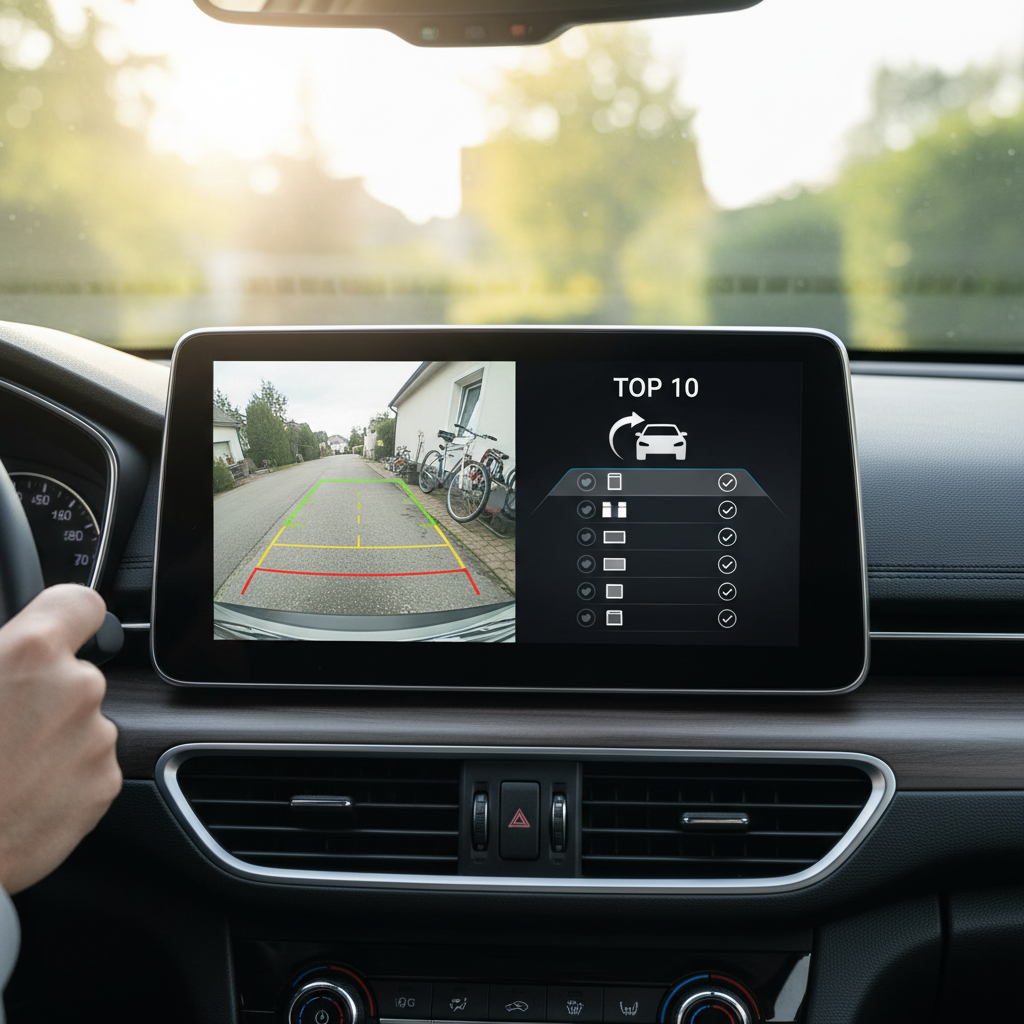
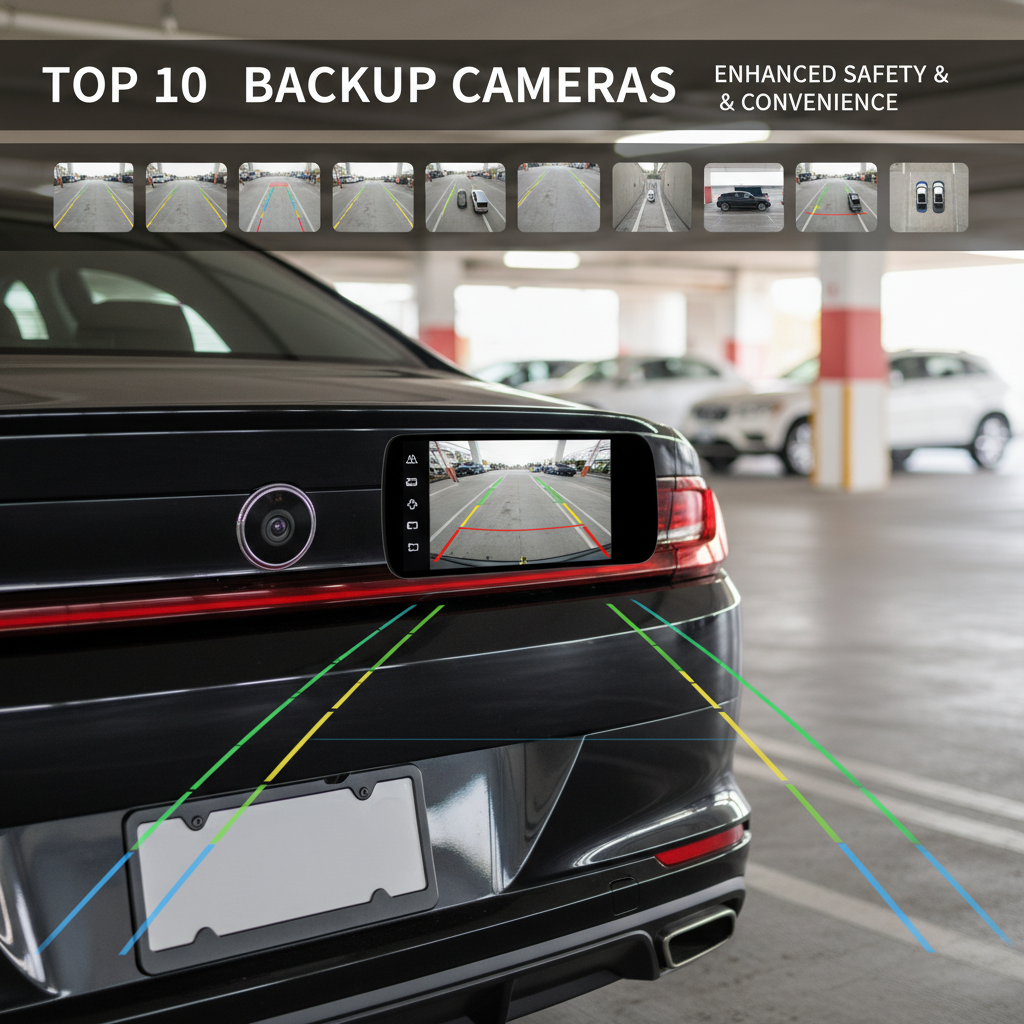
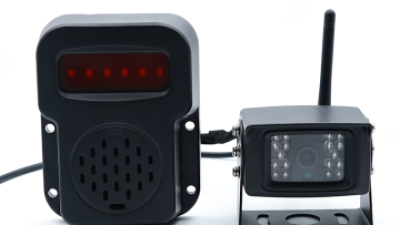
In today’s super busy world, staying safe while you’re on the road is more important than ever. Thanks to all the new tech coming out, Backup Cameras have become pretty much essential. They’re not just about making things more convenient — they actually help cut down on accidents too. I came across what safety expert Dr. John Smith said, and he’s got a point: “Adding backup cameras to vehicles has really changed how we think about safety. They make it way easier for drivers to spot potential hazards before it’s too late.”
Now, if you’re thinking about picking one out, it’s good to know that there’s a wide range of options out there. Some are super simple to install, while others come packed with cool features like augmented realityto guide you better. These cameras are all about making your driving experience safer and more confident. Whether you’re parking in tight spots or looking out for those Blind Spots, a good backup camera can be atotal game-changer.
In this piece, we’re going to look at some of the top backup camera systems out there — the ones that really stand out for their performance and reliability. Whether you’re a seasoned driver or just bought your first car, having the right backup camera can seriously make a difference. Come with us as we check out the coolest backup camera options on the market today.
Top Features to Look for in 2025 Backup Cameras for Enhanced Safety
When considering backup cameras for 2025, safety and convenience are paramount. An important feature to look for is high-definition resolution. According to a recent industry report by Grand View Research, high-resolution cameras significantly reduce reading errors and blind spots, improving overall driver awareness by over 30%. Additionally, features such as wide-angle lenses and night vision capabilities can enhance visibility, particularly in low-light conditions, ensuring a safer reversing experience.
Another critical aspect is advanced integration with modern vehicle safety systems. Backup cameras that connect with sensors and alert systems can provide real-time feedback to drivers, minimizing accidents. The Insurance Institute for Highway Safety notes that vehicles equipped with these integrated systems can reduce rear-end collisions by up to 40%.
Tips: When upgrading your backup camera, consider models that offer customizable alerts and adaptive grid lines. This feature allows drivers to navigate more confidently and can be particularly beneficial when reversing in tight spaces. Furthermore, always verify compliance with safety standards set by the National Highway Traffic Safety Administration (NHTSA) for optimal performance and reliability.
Importance of Backup Cameras in Reducing Vehicle Accidents and Injuries
Backup cameras have become essential tools in enhancing vehicular safety by significantly reducing the chances of accidents. According to the National Highway Traffic Safety Administration (NHTSA), reversing accidents account for nearly 210 fatalities and 15,000 injuries annually in the United States. The implementation of backup cameras in vehicles has been shown to mitigate these risks effectively, as studies indicate that the presence of a rearview camera can reduce the likelihood of backover incidents by up to 60%. This technology not only assists drivers in detecting obstacles but also provides a clearer view of the area behind the vehicle while reversing.
When considering the incorporation of backup cameras, there are a few tips to keep in mind. First, ensure that the camera offers a wide field of view to capture as much of the area behind the vehicle as possible. Look for models with guidelines displayed on the screen, which can help in navigating tight spaces and avoiding potential obstacles. Additionally, regular maintenance and cleaning of the camera lens are crucial for optimal clarity, especially in adverse weather conditions.
Incorporating backup cameras not only enhances safety but also adds convenience for drivers, making maneuvering in crowded spaces easier. Studies have also shown that areas equipped with backup cameras witness a reduction in insurance claims related to backover incidents, further highlighting their role in streamlining both safety and cost-efficiency for vehicle owners.
Top 10 Backup Cameras for Enhanced Safety and Convenience
The chart above illustrates the user satisfaction ratings for the top 10 backup cameras, highlighting their effectiveness in enhancing safety and convenience while driving. Higher ratings indicate better performance and reliability, contributing to a reduction in vehicle accidents and injuries.
Top Backup Camera Brands and Their Market Share in 2025
As we move toward 2025, the market for backup cameras is expected to evolve significantly, driven by advancements in technology and a growing emphasis on vehicle safety. The leading backup camera brands are positioning themselves to capture a larger share of this burgeoning market. Companies like Garmin, Rear View Safety, and RVS have carved out substantial territories through innovation and quality, which resonate with consumers seeking reliable safety solutions for their vehicles.
Market share will also be impacted by the rising popularity of integrated systems, where manufacturers combine backup cameras with other driver-assistance technologies. This trend gives brands like Bosch and Panasonic an advantage as they leverage their expertise in automotive electronics. As consumers become more aware of the benefits of backup cameras — from preventing accidents to enhancing overall convenience — the competition among these brands is likely to intensify, shaping the future of automotive safety and consumer choice.
Technological Advancements in Backup Cameras: From Sensors to AI Integration
The integration of advanced technologies in backup cameras has significantly enhanced vehicle safety and convenience. Recent advancements include the incorporation of AI algorithms and sophisticated sensor systems that not only improve image clarity but also provide real-time object detection and alerts. Reports indicate that by 2025, the automotive market is expected to witness a 40% increase in the adoption of AI-powered backup camera systems, illustrating a growing awareness of their role in accident prevention and driving assistance.
Moreover, these technological developments are not limited to the automotive sector; they reflect a broader trend towards smart city initiatives which leverage IoT and AI to improve urban living conditions. For instance, studies have shown that cities implementing smart transportation solutions, including enhanced backup camera systems, can reduce traffic accident rates by up to 30%. As cities strive for increased safety and operational efficiency, the demand for innovative solutions such as AI-integrated backup cameras will only continue to rise. This trend emphasizes the importance of investing in emerging technologies to meet the evolving demands of urban safety and enhance the driving experience.
Top 10 Backup Cameras for Enhanced Safety and Convenience
| Camera Model | Image Resolution | Field of View | Night Vision | AI Features | Price Range (USD) |
| Model A | 1080p | 120 degrees | Yes | Object Detection | 200 - 250 |
| Model B | 720p | 90 degrees | No | None | 100 - 150 |
| Model C | 1080p | 110 degrees | Yes | Parking Assistance | 150 - 200 |
| Model D | 4K | 140 degrees | Yes | Lane Departure Warning | 300 - 400 |
| Model E | 1080p | 130 degrees | No | Collision Warning | 180 - 220 |
| Model F | 1080p | 120 degrees | Yes | Smart Parking Assist | 250 - 300 |
| Model G | 720p | 100 degrees | No | None | 80 - 120 |
| Model H | 4K | 150 degrees | Yes | Adaptive Cruise Control | 350 - 500 |
| Model I | 1080p | 115 degrees | Yes | Automatic Reaction | 220 - 270 |
| Model J | 720p | 80 degrees | No | None | 60 - 100 |
Consumer Ratings and Reviews: What Users Say About the Best Backup Cameras
When it comes to ensuring safety while reversing, the right backup camera can make a significant difference. Consumer ratings and reviews reveal a wealth of user experiences that highlight both the strengths and weaknesses of various models on the market. Many users emphasize the importance of clear image quality and wide-angle views, which can help eliminate blind spots. For instance, several highly-rated cameras also come equipped with night vision capabilities, providing peace of mind in low-light conditions.
Moreover, ease of installation and user-friendly interfaces are common themes in user feedback. Many consumers appreciate models that offer seamless integration with existing vehicle systems, making the transition to using a backup camera smooth and hassle-free. Reviews often mention the added convenience of features such as grid lines for easier parking and alerts for obstacles. Overall, insights from actual users underscore that investing in a reliable backup camera not only enhances safety but also enriches the driving experience through greater confidence and convenience.
Cost Analysis: Understanding the Price Range and Value of Backup Cameras in 2025
As we approach 2025, the market for backup cameras continues to evolve, offering a wide range of options that vary significantly in price. Understanding the cost dynamics of these devices is crucial for consumers who seek enhanced safety and convenience. Generally, backup cameras range from $50 for basic models to over $500 for advanced systems that include features like surround-view capabilities and integration with existing vehicle systems. Knowing what features are essential for your driving needs can help you make a more informed decision.
Tips for selecting a backup camera include considering the image quality and display options. High-definition cameras provide clearer images, which are especially important in low-light conditions. Additionally, think about the installation process—some cameras offer DIY options that can save you installation costs. Evaluating warranty and customer support is also key, as reliable service can add value to your purchase.
Another point to consider is the long-term cost associated with maintenance and potential upgrades. While some models may have a lower upfront cost, they might not be as durable or may lack the latest technology. Investing in a higher-priced model could ultimately save you money through better performance and longevity. Always assess the balance between cost and the features that enhance safety to ensure your investment pays off.
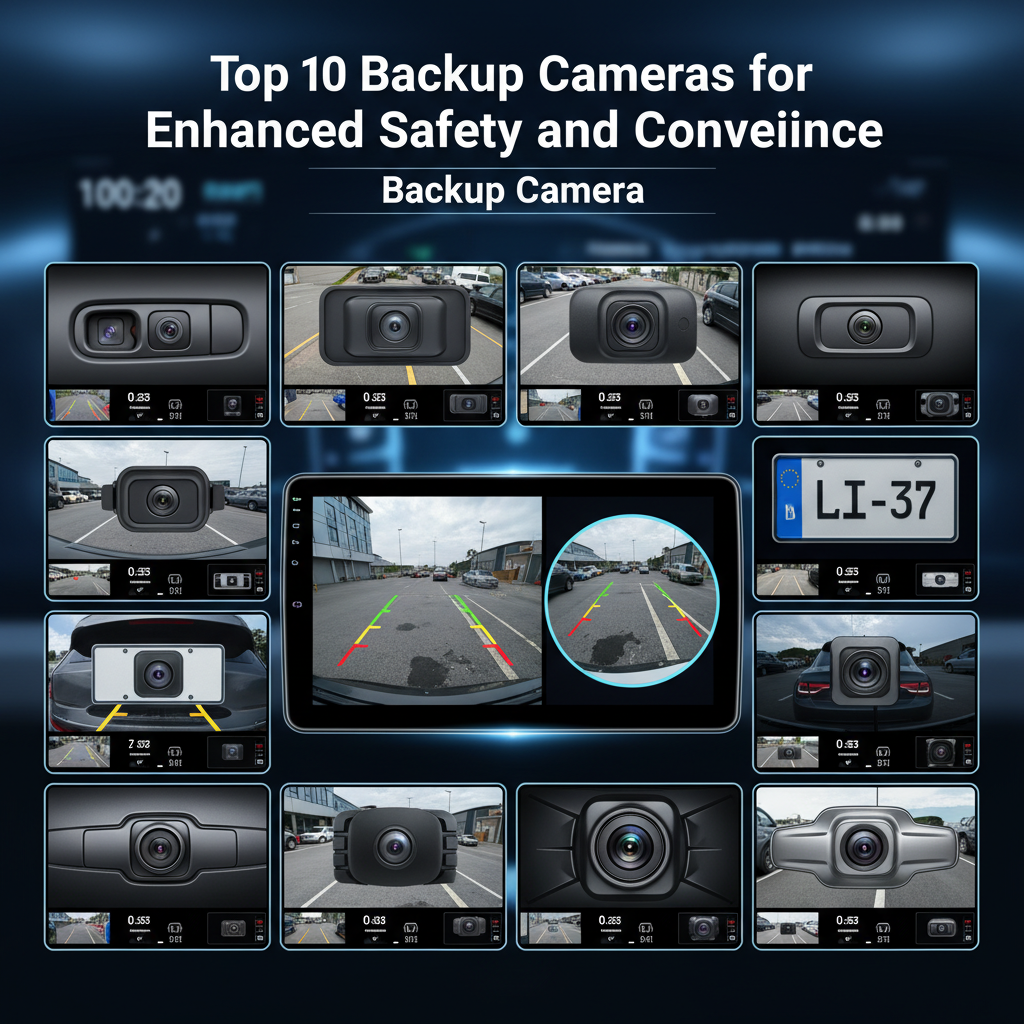
Enhancing Road Safety: ZY-W731-BSD 7-Inch Digital Wireless Rearview Camera with Night Vision and Alarm Speaker
The ZY-W731-BSD 7-Inch Digital Wireless Rearview Camera stands out as a remarkable advancement in enhancing road safety. With its impressive 7-inch IPS LCD display boasting a resolution of 1024 x 600, drivers can enjoy crystal-clear visuals that ensure they can easily monitor their surroundings while on the road. The device operates efficiently within a DC12-35V range and utilizes a 2.4G wireless transmission system with a robust 17DB antenna, allowing for an impressive transmission distance of up to 350 meters in open areas. This connectivity ensures that drivers receive uninterrupted video feed, regardless of their driving environment.
Equipped with advanced night vision capabilities, the rearview camera automatically switches to black and white images when darkness falls, thanks to its 18 infrared LEDs. This feature is essential for nighttime driving, providing a clear view of the back area, which significantly reduces the risk of accidents. Additionally, the camera is IP68 rated for waterproof protection, making it suitable for various weather conditions. With a wide viewing angle of 110° horizontally and 140° diagonally, as well as multiple display modes for single, dual, or quad screen options, the ZY-W731-BSD camera system enhances situational awareness and contributes to safer driving practices. Furthermore, the integrated alarm boasts a deafening 110DB output, ensuring that drivers are promptly alerted to any potential hazards.
FAQS
: Key features include high-definition resolution, wide-angle lenses, night vision capabilities, and advanced integration with vehicle safety systems, which collectively enhance driver awareness and safety while reversing.
According to research, high-resolution cameras can reduce reading errors and blind spots by over 30%, while integrated systems can reduce rear-end collisions by up to 40%.
Customizable alerts, adaptive grid lines, and seamless integration with existing vehicle systems are beneficial features that improve confidence while reversing, especially in tight spaces.
Consumers emphasize clear image quality, wide-angle views, ease of installation, and user-friendly interfaces in their reviews, as these factors significantly enhance the driving experience.
Backup cameras typically range from $50 for basic models to over $500 for advanced systems that offer features like surround-view capabilities and integration with vehicle systems.
Image quality is crucial, particularly in low-light conditions. High-definition cameras provide clearer images that are essential for safe reversing.
Consumers should think about whether they prefer a DIY installation option or professional installation, as this can affect overall costs.
Reliable warranty and customer support can add significant value to a purchase, ensuring long-term satisfaction and assistance when issues arise.
Investing in higher-priced models often leads to better performance and durability, potentially saving consumers money in maintenance and upgrades over time.
User reviews provide insights into the strengths and weaknesses of different models, guiding potential buyers towards reliable options based on real-world experiences.
Conclusion
In 2025, backup cameras are becoming an essential feature for enhancing vehicular safety and convenience. With advancements in technology, these devices now integrate sophisticated sensors and artificial intelligence, significantly reducing the risk of accidents and injuries. Key features to consider include image quality, field of view, and ease of installation, which contribute to a driver's confidence while reversing.
Leading brands in the backup camera market are noted for their innovative designs and user satisfaction, as evidenced by consumer ratings and reviews. Additionally, understanding the cost range is crucial for consumers seeking value without compromising quality. Shenzhen Ziyang Xing Technology Co., Ltd., with its years of expertise in automotive electronic products, plays a pivotal role in this evolving market by producing high-quality camera modules that meet the demands of modern vehicles.