Leave Your Message
You know, with how quickly the auto industry is changing these days, safety has really moved to the top of the priority list. Technologies like the Rear View Camera have become a game-changer— they've been proven to cut backing accidents by almost 30%, according to the folks at NHTSA. Here at Shenzhen Ziyang Xing Technology Co., Ltd., we're proud to stay ahead of the curve. Since we started back in 2014, we've been pouring our expertise into creating high-quality video display systems and camera modules, working hard to push the boundaries of what's possible. It’s not just about ticking boxes for regulations; these cameras are a real step forward for safer driving. Offering reliable safety features like this is becoming essential—for both automakers and drivers who just want to get where they’re going safely and confidently.
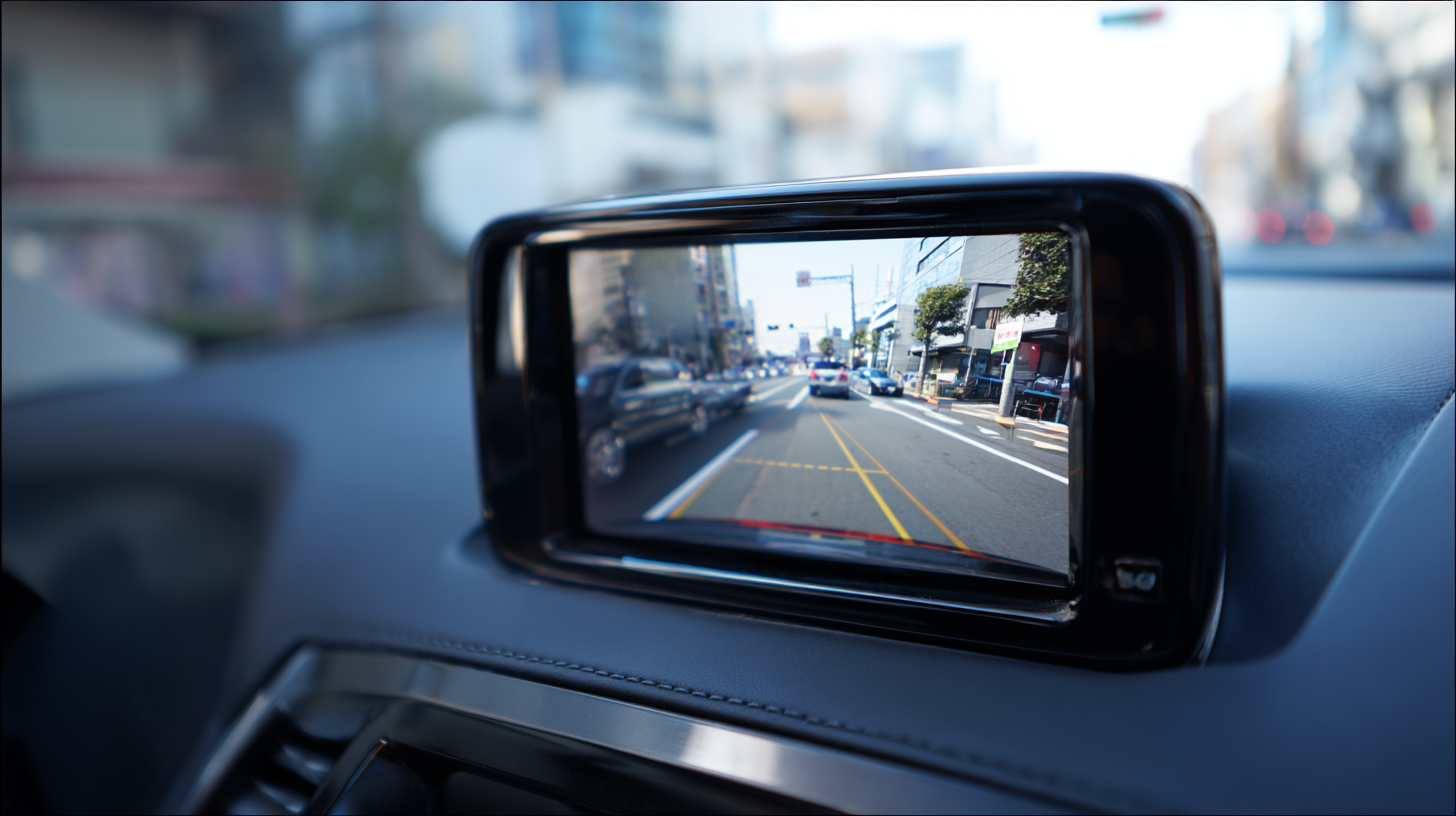
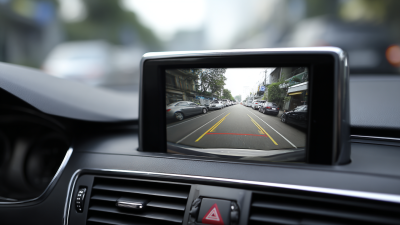
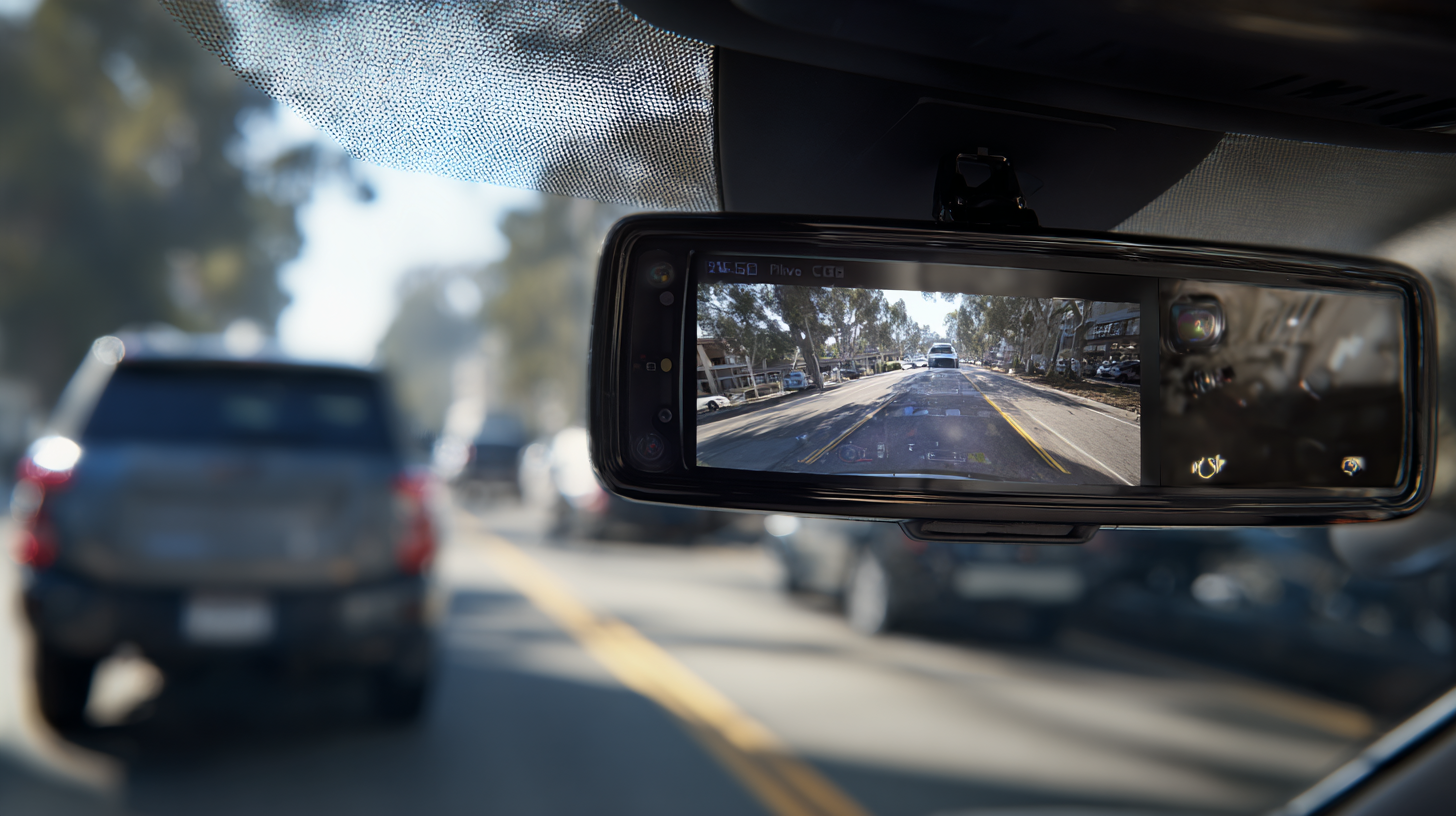
You know, advanced rear view Camera Systems are really changing the game when it comes to vehicle safety. They give drivers a much clearer view of what's around them — with sharp, high-definition images, wide-angle views, and even night vision. It’s pretty impressive how much they cut down on blind spots, making reversing and parking a lot safer and less stressful. Features like obstacle detection and real-time images come in handy, especially when you're squeezing into tight spots. All of this really boosts your confidence behind the wheel and helps prevent accidents.
Over at Shenzhen Ziyang Xing Technology Co., Ltd., we’re actually quite proud of our many years of experience in developing these high-tech automotive electronics. Since opening our doors back in 2014, we've been focused on creating top-quality LCD driver motherboards and camera modules that fit perfectly into these advanced rear view systems. Innovation is in our DNA, so we’re always working on improving video display tech to ensure our products meet the highest safety and performance standards. Honestly, we’re passionate about helping to make vehicles safer for drivers everywhere — it’s what drives us every day.
The automotive industry is witnessing an unprecedented transformation in vehicle safety technology, with AHD waterproof Backup Cameras emerging as a vital tool in enhancing driver awareness and minimizing accidents. According to a recent market report, the global automotive camera market is projected to grow significantly, driven by rising consumer demand for advanced safety features. In particular, the integration of AHD (Analog High Definition) cameras has proven to deliver superior image quality, with resolutions reaching up to 1080P. This advancement allows for clearer visuals, even in low-light conditions, making these cameras essential for safe reversing and parking.
The Professional AHD 1080P Rear View Camera exemplifies the features that consumers now prioritize for optimal safety. Its robust design includes 18 infrared LEDs for night vision, enabling visibility from 6 to 15 meters—even in complete darkness. With a wide viewing angle of 115 degrees, drivers can minimize blind spots effectively. The camera's IP68 waterproof rating ensures it performs reliably under any weather conditions, while its metal housing and high operational temperature range (-20℃ to +70℃) enhance durability and longevity. Moreover, with automatic white balance and a mini lumination of 0 Lux when IR is engaged, the product caters to the demanding visual clarity requirements in modern vehicles.
As consumers become more safety-conscious, the demand for high-quality backup cameras continues to rise. The adoption of AHD waterproof technology represents a pivotal shift in consumer preferences, aligning with overarching industry trends toward smart vehicle technologies. As automotive manufacturers incorporate these advanced systems, the integration of waterproof and high-resolution cameras will become an expected standard, ultimately contributing to safer driving experiences for all.
: Advanced rear view camera systems provide high-definition images, wide viewing angles, and night vision capabilities, effectively reducing blind spots and enhancing safety while reversing and parking.
Rear view cameras offer a comprehensive view of the area behind the vehicle, allowing drivers to detect obstacles and pedestrians that may be hidden from traditional mirrors, thus enabling safer reversing and parking decisions.
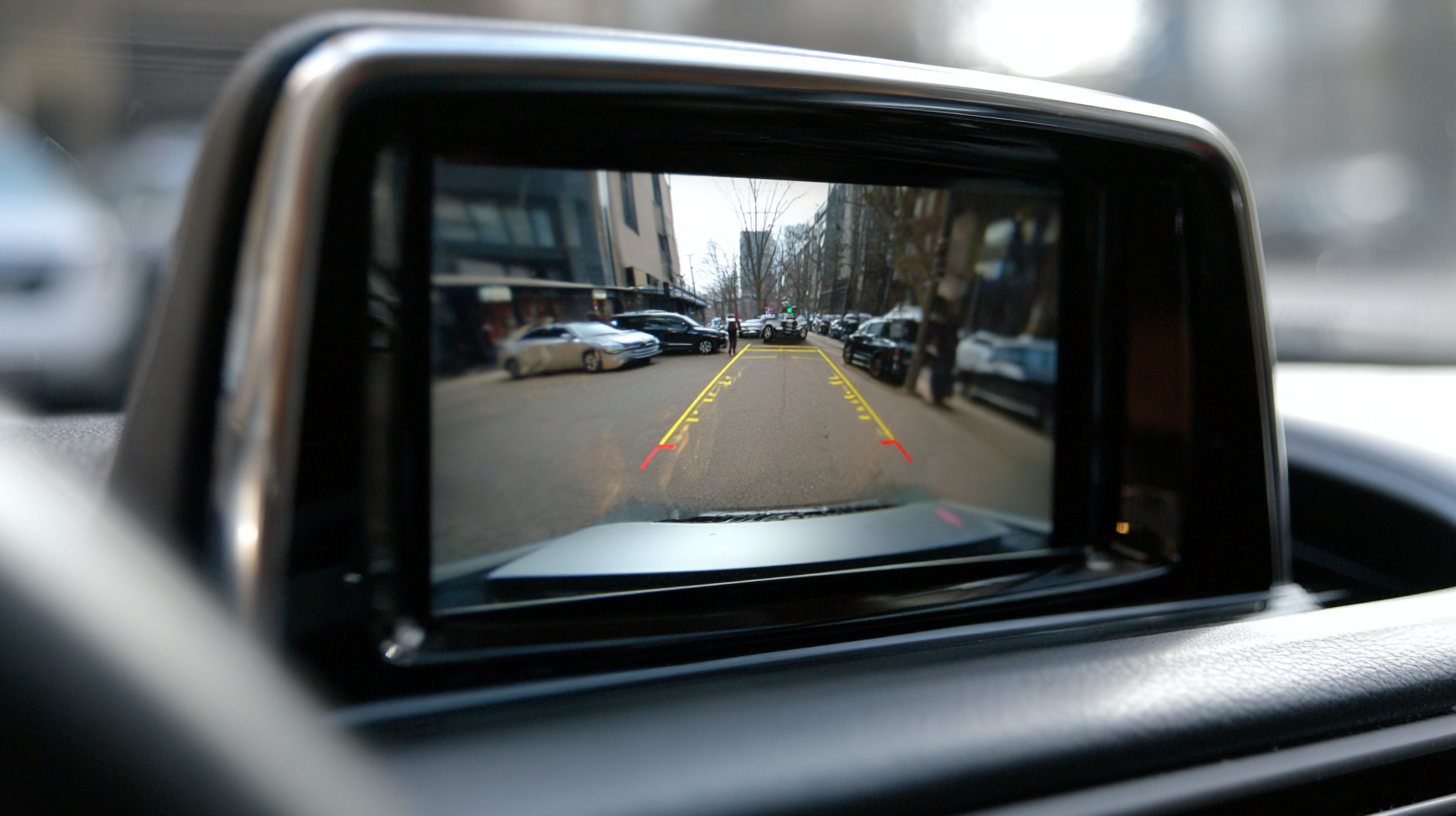
Modern rear view camera systems include real-time imaging, obstacle detection, guidelines, and alerts to help drivers navigate tight spaces and identify potential hazards.
Since its establishment in 2014, Shenzhen Ziyang Xing Technology Co., Ltd. has focused on developing high-quality LCD driver motherboards and camera modules for advanced rear view camera systems, continually improving video display technology.
Recent regulations require all new vehicles to be equipped with rear view cameras, highlighting the importance of these safety features and encouraging manufacturers to innovate.
Future trends are expected to include integration with artificial intelligence, real-time data analysis, and the use of multiple cameras for a complete 360-degree view, enhancing features like obstacle detection and automated emergency braking.
Rear view cameras provide drivers with clearer visibility and real-time feedback, fostering confidence in maneuvering in high-traffic areas or tight spaces, resulting in a more secure and relaxed driving experience.
Rear view cameras significantly reduce blind spots, allowing drivers to better detect potential hazards, which can lead to a decrease in collision rates and improved overall road safety.
Yes, the incorporation of advanced rear view camera systems is becoming standard as regulatory standards promote their use for enhanced vehicle safety.
Have you ever thought about just how much modern rear view camera tech is transforming vehicle safety? The article on "Revolutionizing Vehicle Safety with Advanced Rear View Camera Technology" dives into some pretty exciting features that really make a difference on the road. It talks about how these advanced cameras do more than just show what's behind you—they use things like AI and machine learning to help prevent accidents before they happen. Honestly, it's like having an extra set of eyes that keeps you alert and aware, making driving way safer. Plus, with better visibility and fewer blind spots, it just makes the whole driving experience smoother and less stressful.
And you know what's cool? Shenzhen Ziyang Xing Technology Co., Ltd. is really leading the charge here. They've got tons of experience designing top-notch camera modules and automotive electronics. The article also points out how, as rules and safety standards get stricter, these camera systems are only getting better—aiming not just to meet the safety bar but to go way beyond it. It’s pretty impressive to see how these innovations are shaping the future of vehicle safety, making sure we all get home safer, one upgrade at a time.