
Leave Your Message
In an increasingly fast-moving automotive market, safety and comfort have assumed a prominent position, and thus advanced technology products have come to be embraced widely. One of the significant components involved in these improvements is the Rear View Camera Systems for automobiles. By providing enhanced visibility to drivers and reducing blind spots, these systems considerably lower the risk of reverse accidents. Since consumers are increasingly weighing safety features heavily in their decision-making for a vehicle, it is now essential for both manufacturers and consumers alike to understand the key principles involved in selecting the right rear view camera system.
At the very heart of this technological change is Shenzhen Ziyang Xing Technology Co., Ltd. With several years of experience in automotive electronic product development, video display, and cutting-edge software and hardware technologies since its founding in 2014, Ziyang Xing is engaged in designing and manufacturing high-end LCD driver motherboards and camera modules. With that in mind, as we attempt to explore the key points of selecting the Automobile Rear View Camera Systems, we want to arm the reader with the knowledge to make informed decisions that best serve the vehicle's safety and enhance the driving experience.
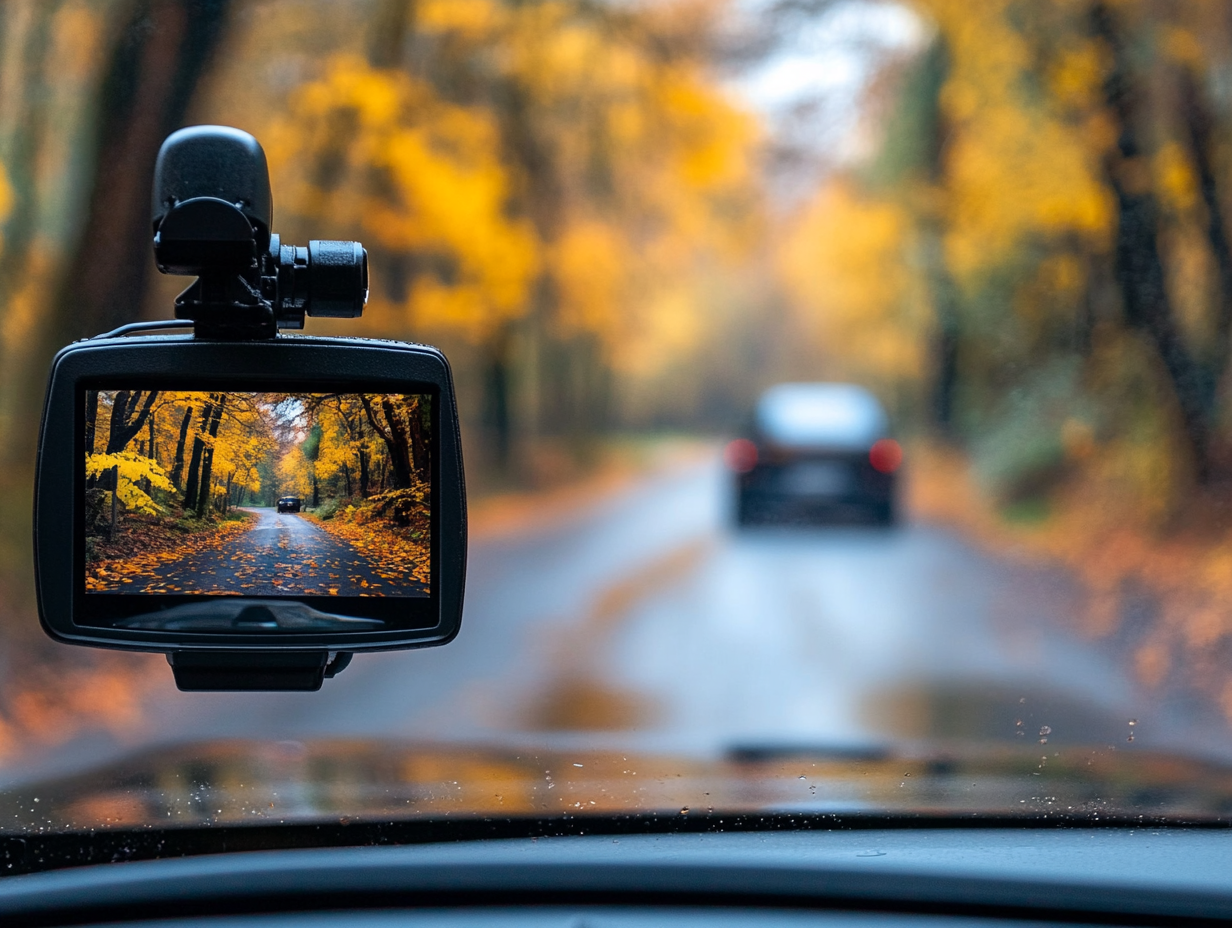
With the advancement of technology, rear view camera systems have become increasingly important in today's modern driving experience, which will also contribute to driving safety. Not just that, the importance lies in the clearer visuals produced by these camera systems for the area behind your vehicle while reversing and parking, which will help in the prevention of possible accidents. A good rearview camera system will ensure that the driver navigates tight places without any hassle and also has reduced visibility blind spots, making it a crucial feature in any vehicle. Considerations while purchasing a rear view camera should entail image quality, installation ease, and compatibilities to your vehicle. Most of the best systems on the market leverage these aspects and deliver high-definition images and user-friendly interfaces; the latest technology even has surround views across systems. Therefore, it is a good step to consider a linchpin investment in an efficient rear view camera system.
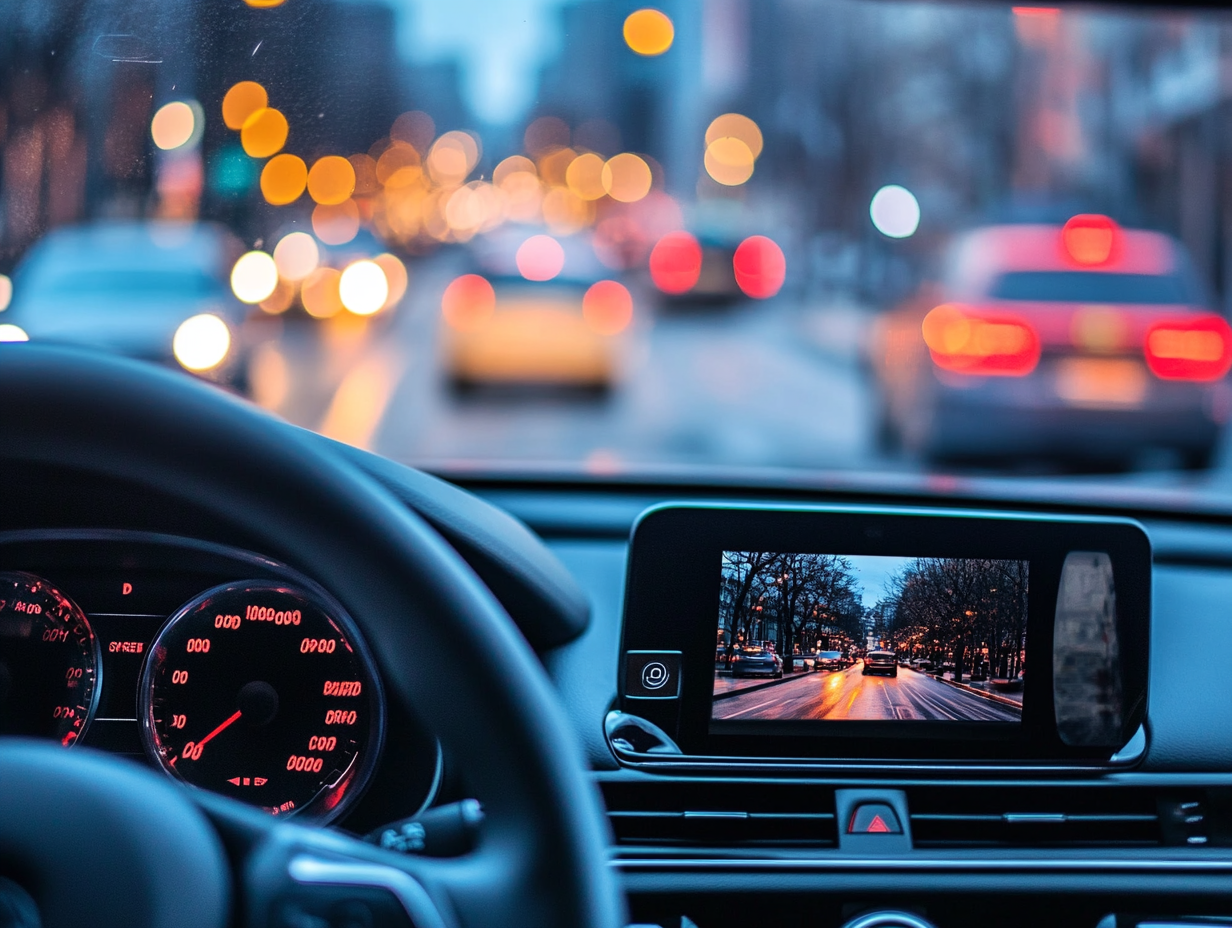
There are many features that one has to take care of, while choosing a rearview camera system for their vehicle. First, comes high-definition as the most important feature. You can see a crystal clear view of what is behind and make your maneuver safer. For some, looking further, is another factor. Night vision comes in handy when driving your vehicle in low-light conditions.
Then again important feature as field of view. A wide-angle lens is able to catch a larger area behind your vehicle and could help detect objects that are not the immediately apparent. Also, make sure that the system includes quite a display screen that is very easy to use or view while driving. As established by the recalls of various brands, rear view camera systems can pose safety hazards when not functional; hence, the need to go for tested reliability and quality.
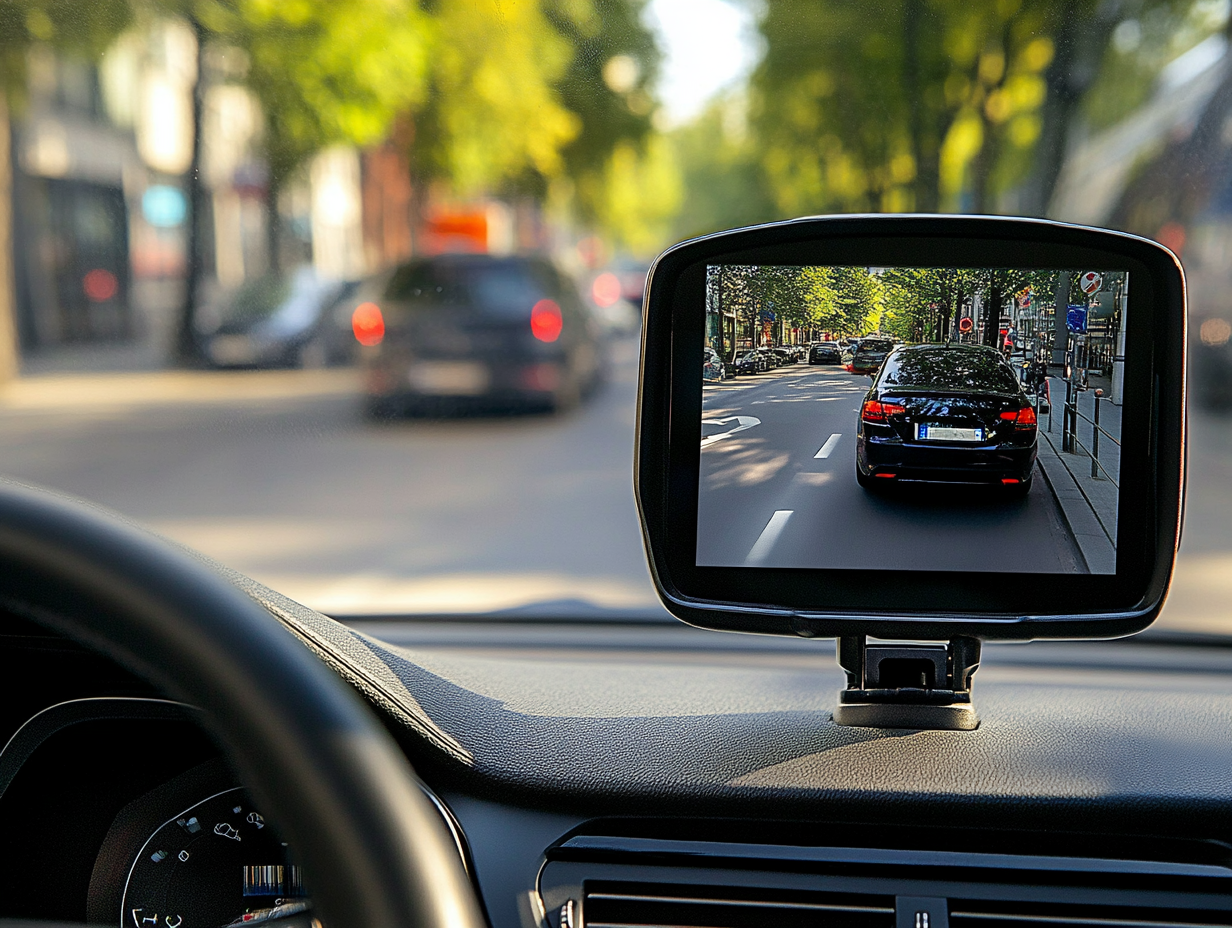
Understanding the types of systems available for rearview cameras can greatly enhance the driver's experience and safety. The most common types include wired and wireless. In terms of reliability and good-quality video, wired rearview cameras are always a better choice even if installation in some cases might be needed. Wireless mode of reverse cameras is a comfort for installation, so many drivers go for that.
Also, features like night vision, parking lines, and alarm sensors must also be considered. Some systems allow smartphone connectivity, where drivers can view camera feeds on their mobile devices. With myriad kinds available, a rearview camera system should be selected so that it meets one's own specific need for enhancing safety and ease in reversing or parking the vehicle.
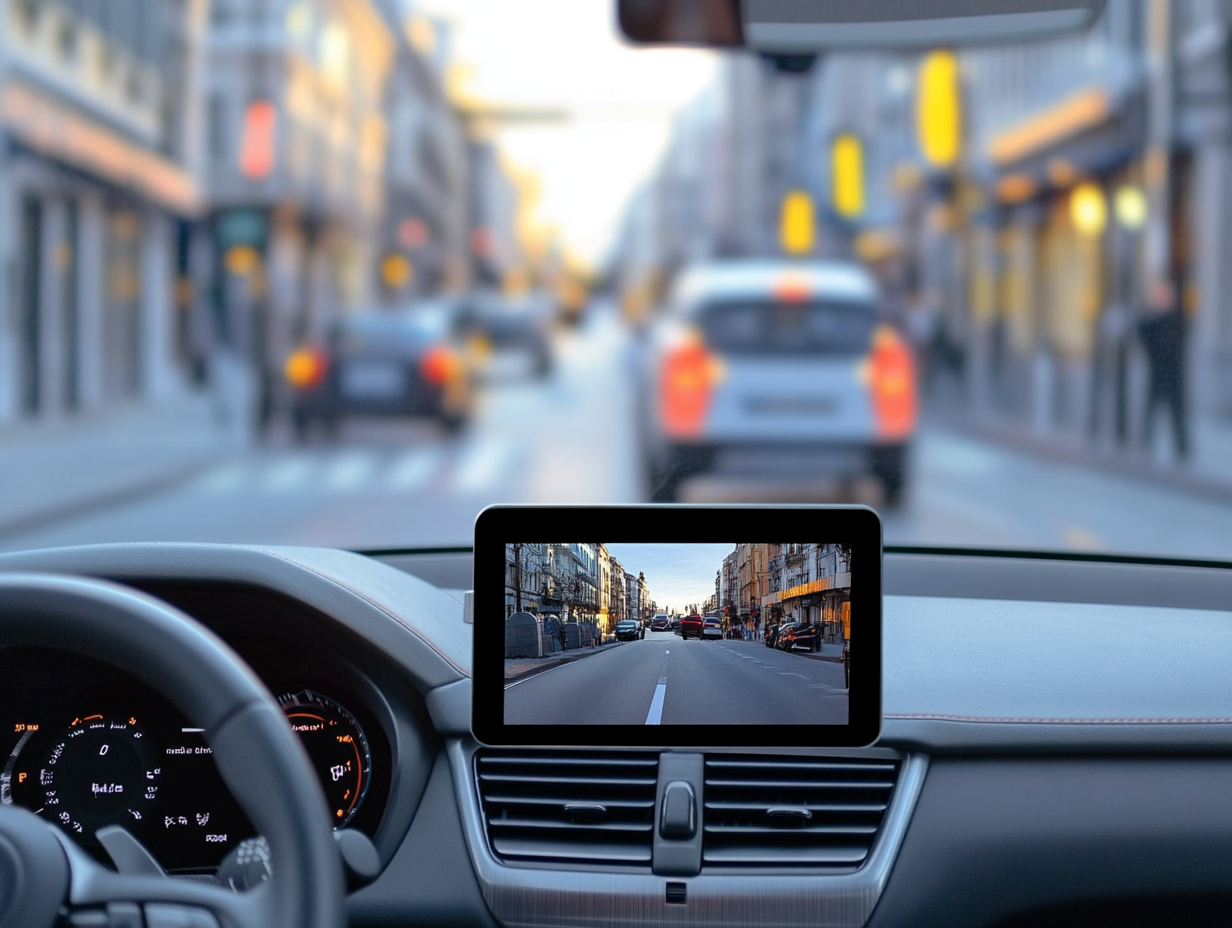
In considering a vehicle's rear view camera system, the major features are resolution and image quality. Clarity and detail must be available from high-quality cameras to safely navigate and park. Low-resolution cameras distort images or hide obstacles, putting the driver in danger. Therefore, an investment in at least 1080p camera resolution will prove a difference in safety and convenience.
These days, also coming into vogue amongst new-age rear view systems are high-technology developments such as thermal imaging and artificial intelligence or AI. The visible sources of light will become very dim and barely lit. The system allows the user to detect objects that were never detected by the conventional rear view camera. When comparing systems under consideration, ensure that it has good image quality for different weather conditions or light conditions so that you would drive more confidently.
An indispensable aspect of rear view camera systems for automobiles involves the actual viewing angle and coverage needs. The wider the viewing angle, all the better visibility as it can guide the driver in spotting the vehicles and objects that shall be in blind sight while reversing or maneuvering. Prefer systems hence that at least give some 120 degrees views for optimal safety precautions, hindering the possibility of being in an accident whilst reversing.
Last but certainly not least, one should also examine the quality and resolution of the images taken by the camera. It sometimes makes a huge difference in estimates of distances with objects behind you. Additional features dynamic guidelines and night vision can further support situational awareness especially under low-light conditions, a promising safety measure while driving and parking. Thus, this should be exhaustive when setting up your rear view camera system.
Considerations may change when comparing rear view camera systems for automobiles depending on whether the installation is DIY or professional. While a DIY job may save some bucks, a certain level of knowledge is required for successful installation. Systems that have been improperly installed may malfunction. Underestimating the amount of work involved in any installation is a common pitfall among many users. Significant reports of recalls have poured in concerning automobile manufacturers of rear view camera systems and their installation due diligence.
Investing in a professional installation means that the customer can rest assured knowing that their system will be working fine and that it is fitted according to safety standards. There are all those recent riveting stories in the press concerning massive recalls due to rear camera defects, which makes it clear that if anything, quality installation may sidestep many future problems. Thus, anyone interested in purchasing should weigh the advantages of professional installation versus the disadvantages of DIY because these systems are becoming very critical in the area of road safety.
The compatibility of the rear view camera system with the display system of your car is very important. Any camera that integrates properly with your display will hence add to your driving comfort and convenience. A fitting camera will display its feed with minimum latency, preserving the image quality of utmost importance upon driving in a tight space.
Most new models of vehicles come with advanced display technologies so that you will need to choose a camera that is compatible with such features. Look for a system that delivers high-definition video output and offers the most current options of connectivity, including wireless links and app compatibility. This ensures functionality and that you are making the most of your purchase resulting in safer and efficient parking and reversing.
Weather resistance and durability are features you really must consider when selecting any automobile rear view camera system. Heavy rains or storms will affect their performance drastically. Systems that claim to be resistant to moisture, dust, and temperature extremes with good seals and materials will operate perfectly in tough conditions.
Camera construction will be of paramount importance, though. Cameras that are truly built to survive shocks through their holding capacity would give any camera a chance to withstand road conditions. If you choose a system designed to withstand various environmental stresses, it will ensure safety while backing up and prolong the life of the unit. While shopping, insist on models that have been tested in different weather conditions to ensure they work when you need them most.
When it comes to cost and the specification you need, consider budget rear view camera systems. A lower budget system is enticing, but higher quality options are equipped with better resolutions, ruggedness, and more user-friendly interfaces. Now, as different systems come with different functionalities, such as night vision and wide-angle viewing, spend some time reflecting on what should contribute to your amazing driving experience.
Assess the cost of the camera system in the long term. Sure, they will save some bucks upfront, but they are likely to incur replacement costs further down the line, or they won't have the extra features that enhance safety. Taking that budget and balancing it out against the technological advancement in rear view cameras will ensure a wise investment into your overall driving safety and comfort.
While choosing an automobile rear-view camera system, maintenance and other support feel unimportant or even pointless to some. But they do matter, and they matter quite a lot when it comes to performance and longevity. An inspection and cleaning of the rear-view camera should be done regularly to keep the camera lens unobscured for a clear view. If the software is updated, then the functionalities are enhanced and further improvements can be made, practically ensuring compatibility as the ever-evolving vehicle electronic technology progresses.
Thus, it becomes all the more important for the system selected to be well supported. When selecting systems, manufacturers with warranty protection and responsive support are preferred. As indeed we've all seen in the news lately, activation delays can arise, meaning drivers who depend on these systems for safe operation require prompt support. Thus, a well-supported system reinforces enhanced usability, creating an almost carefree ownership experience.
The main types of rear view camera systems are wired and wireless systems. Wired systems offer a reliable connection but may require professional installation, while wireless systems are easier to install and provide more convenience.
Wired rear view cameras typically offer a more reliable connection that ensures an uninterrupted video feed, which can be crucial for safety while reversing.
Wireless rear view cameras are popular due to their convenience and easier installation, making them an attractive option for many drivers.
Consider advanced features such as night vision, parking guidelines, and sensor alerts. Smartphone connectivity can also be beneficial for viewing camera feeds directly on mobile devices.
The viewing angle is crucial; a wider angle enhances visibility when maneuvering, allowing drivers to spot obstacles and vehicles in blind spots. A coverage of at least 120 degrees is recommended for optimal safety.
High-quality image clarity and resolution are vital for accurately judging distances and identifying objects behind you, which can improve overall safety while driving and parking.
Night vision features enhance situational awareness in low-light conditions, providing additional support to improve safety when reversing or parking.
Dynamic guidelines are a feature that helps indicate the trajectory of the vehicle based on steering input, aiding drivers in parking and maneuvering safely.


