Looking ahead to 2025, the world of elderly care is set to go through some pretty exciting changes, all thanks to innovative tech that aims to improve life for seniors everywhere. These advanced solutions aren't just ticking boxes—they're actually addressing the real needs of older folks, and at the same time, giving businesses and healthcare providers a real peek into what the future of healthcare might look like.
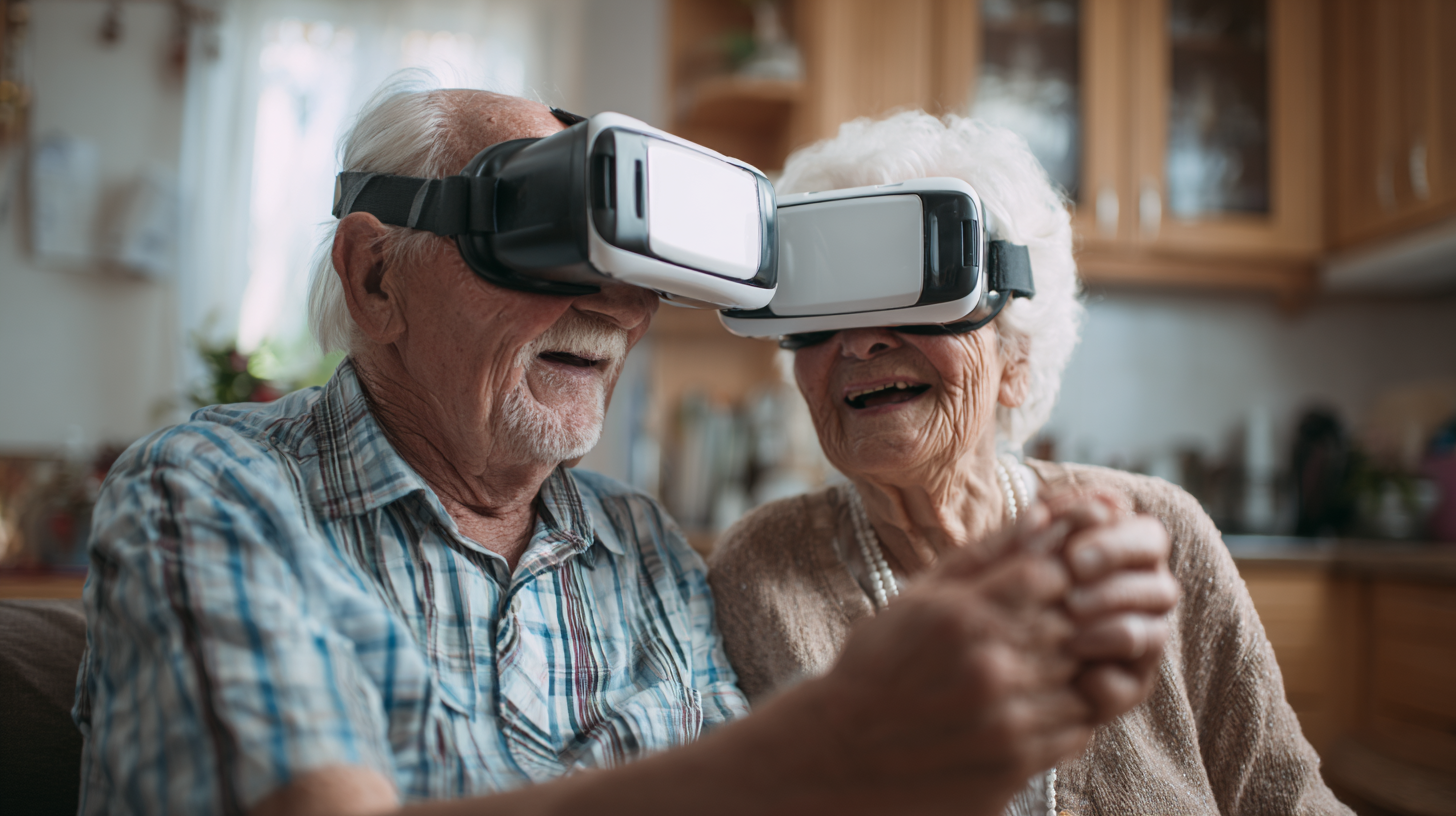
Companies like Shenzhen Ziyang Xing Technology Co., Ltd. are at the forefront of this shift. With their deep roots in automotive electronics and video display tech, they're creating smart, tailored solutions for elder care. Founded back in 2014, Ziyang Xing has been specializing in making LCD driver motherboards and camera modules—crucial tools that make a difference for caregivers and help keep seniors safe and comfortable. As these tech innovations continue to roll out, it’s exciting to think about how they’ll totally reshape elderly care and open up new opportunities for families and businesses alike.
Emerging Technologies Revolutionizing Elderly Care Solutions for 2025
As we look ahead to 2025, it’s pretty exciting to see how new technologies are really going to shake up elderly care. There are some pretty innovative ways coming to help improve the lives of seniors. One that stands out is the use of artificial intelligence in caregiving — it’s like having an extra set of eyes helping out. These AI systems can track health and safety in real-time, so caregivers can jump in quickly if something’s off. And it’s not just about immediate help; they can also predict and manage things like chronic conditions before they become serious, which is a game-changer.
When you're thinking about AI for elder care, it's smart to stick with systems that are easy to use—nothing too complicated. Caregivers shouldn’t have to struggle to learn new tech. Also, involving family members through these tools can really boost the support network around a senior, making everyone feel a little more connected.
On the telehealth front, the trend is really taking off. It makes it much easier for seniors to access medical help without having to leave home — perfect for those with mobility issues or who live far away from clinics. Regular check-ups and screenings become less of a hassle when you can just hop on a video call instead of a long trip.
Tips? Look for telehealth platforms that are straightforward and designed with seniors in mind — simple buttons, big text, that sort of thing. And don’t forget, tech support is a must. Many seniors might need a helping hand just figuring out how to get things running smoothly.
Key Features of Smart Home Devices for Senior Living Enhancements
By 2025, we're really going to see smart home tech change how seniors live independently. Things like remote health monitoring, automatic emergency alerts, and easy-to-use voice assistants are being designed to make life safer and more comfortable for the elderly. I read somewhere—Grand View Research, I think—that the global market for smart homes aimed at older folks is expected to hit around $78.3 billion by then. That growth is mainly because more people are looking for solutions that support aging in place and healthier lifestyles.
Over at Shenzhen Ziyang Xing Technology Co., Ltd., we're right in the middle of this exciting shift. With years of experience in automotive electronics and video display tech, we're using that know-how to develop cool products—like advanced LCD driver motherboards and high-quality camera modules—that make smart home devices even better. For example, combining HD cameras with motion detection can really boost home security, giving both seniors and their families some much-needed peace of mind. As interest in top-notch elderly care tech keeps growing, companies like Ziyang Xing are all in, pushing the boundaries of what’s possible—aiming to deliver tech that not only meets but actually exceeds what customers around the world are expecting in this new market.
Wearable Health Monitoring Gadgets: Transforming Senior Well-being
The world of elderly care is changing pretty fast these days, thanks a lot to all these cool new wearable health gadgets that keep popping up. Come 2025, these devices are expected to be game-changers—really helping seniors stay healthier and more independent. Imagine a smartwatch that not only keeps track of your heart rate and how much you're moving but also keeps an eye on blood pressure and oxygen levels. The best part? It can alert both the user and healthcare pros if something looks off, so issues might get caught early before turning serious.
And it’s not just about tracking. With AI and machine learning baked into these wearables, they can create personalized health plans for each person. For example, by learning your daily routines, the device can suggest small lifestyle tweaks or remind you to take your meds on time. This kind of tech really encourages older folks to take charge of their health and stay more independent. Plus, it gives families peace of mind knowing their loved ones are being watched over without being overly invasive. Looking ahead to 2025, these smart health gadgets are really set to turn elderly care on its head—making it more proactive, responsive, and, honestly, kinda more human.
Telehealth Innovations: Bridging the Gap in Elderly Healthcare Access
You know, telehealth innovations are really changing the game when it comes to how elderly folks get healthcare, especially as we approach 2025. It’s pretty wild — the global telehealth market is expected to hit around $559.5 billion by 2027! And honestly, the industry is moving so fast, with new tech that makes it easier to deliver care. A recent WHO report caught my eye — it said more than 60% of older adults in rural areas don’t have good access to the healthcare they need. That’s where telehealth comes in. It’s a total lifesaver for these folks, offering virtual doctor visits, remote monitoring, and personalized care plans — basically knocking down those long-standing geographical barriers that used to make healthcare so hard to get.
Plus, using telehealth doesn’t just improve how good the care is; it also helps older people feel more independent. If you’re caring for someone, here are a few things that might help: First, make sure they’re comfortable with the tech — simple tutorials can do wonders for building their confidence. Second, try to set up a regular schedule for check-ins via telehealth — it keeps everything consistent. And finally, encourage them to keep a health journal. Having a record of symptoms and worries can really make discussions during virtual visits much smoother.
It’s pretty exciting to see how these new technologies keep evolving. Embracing telehealth is going to be key in making sure older adults get the support and healthcare they need — and honestly, it’s uplifting to see how these changes can really boost their quality of life. Plus, it gives them a bit of control over their health that wasn’t always possible before.
Innovative Technologies Transforming Elderly Care Solutions for Global Buyers in 2025
This chart illustrates the projected increase in adoption of various telehealth technologies for elderly care by 2025, highlighting the significance of these innovations in improving healthcare accessibility.
AI-Powered Assistive Robots: Redefining Companionship and Care
As 2025 gets closer, it’s pretty clear that AI-powered assistive robots are about to change the game when it comes to caring for our seniors worldwide. Did you catch the CES 2025 showcase? Wow, there was an incredible lineup of new AI tech, especially these companion robots. What's really cool is that these bots are now equipped with smart AI that lets them understand and respond to not just physical needs but emotional ones too. It’s like bridging the gap between cold tech and genuine compassion — pretty amazing, right?
With over 15,000 folks checking out the event and tons of companies showing off their latest innovations, you could really feel the buzz around AI in healthcare. These assistive robots aren’t just about helping out with chores — they’re also there for emotional support, which can seriously help older adults feel less lonely and more connected. This whole movement totally lines up with what we’re doing at Shenzhen Ziyang Xing Technology Co., Ltd. — we've got years of experience making electronic products, and now we’re channeling that into creating better solutions to improve our seniors' quality of life. Our focus on top-notch video display tech and seamless software integration puts us right in the middle of these exciting innovations, making sure that technology truly becomes a dependable friend for our aging population.

Future Trends in Elderly Care Technology: Insights for Global Buyers
By 2025, we're really looking at a major shift in how we care for our elders, thanks to some pretty innovative tech solutions. Companies and consumers around the world are on the lookout for smarter, more effective ways to support aging populations. Think telehealth systems, wearable health trackers, and even automated help devices—these are becoming more common and will be key players in the future of elderly care. Not only do these tech options improve the quality of care, but they also help seniors stay independent longer and feel better overall.
If you're wondering what’s next in the world of elder care tech, it’s worth taking a peek at current market trends. For example, the mattress industry is seeing some serious growth, which makes sense—it’s all about providing comfort and health benefits in care environments. This shift points to a bigger movement towards holistic health approaches that address both the physical and emotional needs of older adults. Plus, as countries and businesses team up more and share ideas and technology, we’re bound to see a real transformation in how care is delivered worldwide. It’s all about making care more effective, more compassionate, and way more personalized.
FAQS
: AI-powered systems will help monitor the health and safety of elderly individuals in real-time, allowing caregivers to respond quickly to potential issues and manage chronic conditions through predictive analytics.
Engaging family members through AI and other technologies can create a support network that enhances the well-being of the elderly person.
Telehealth services facilitate remote consultations, making healthcare more accessible for seniors with mobility issues or those living in remote areas, allowing for regular check-ups without the stress of travel.
Seniors should opt for telehealth platforms designed specifically for them, prioritizing simplicity and ease of use, and ensure that technical support is available to assist with navigation.
The integration of smart technologies such as telehealth systems, wearable health monitors, and automated assistance devices will play a crucial role in transforming elderly care.
The mattress market's expected growth reflects a growing focus on health and comfort in care settings, indicating a broader movement towards holistic health solutions for the elderly.
Strategic collaborations between nations and companies will facilitate the exchange of ideas and technologies, leading to more effective and compassionate elderly care solutions globally.
Buyers should focus on advanced care solutions that cater to the diverse needs of aging populations, emphasizing innovation, quality of care, and the empowerment of seniors to maintain independence.
Prioritizing user-friendly interfaces in caregiving technologies ensures minimal training for caregivers and greater accessibility for seniors, improving overall care quality.
The shift towards holistic health solutions, supported by innovative technologies, focuses on both the physical and emotional needs of the elderly, enhancing their overall quality of life.