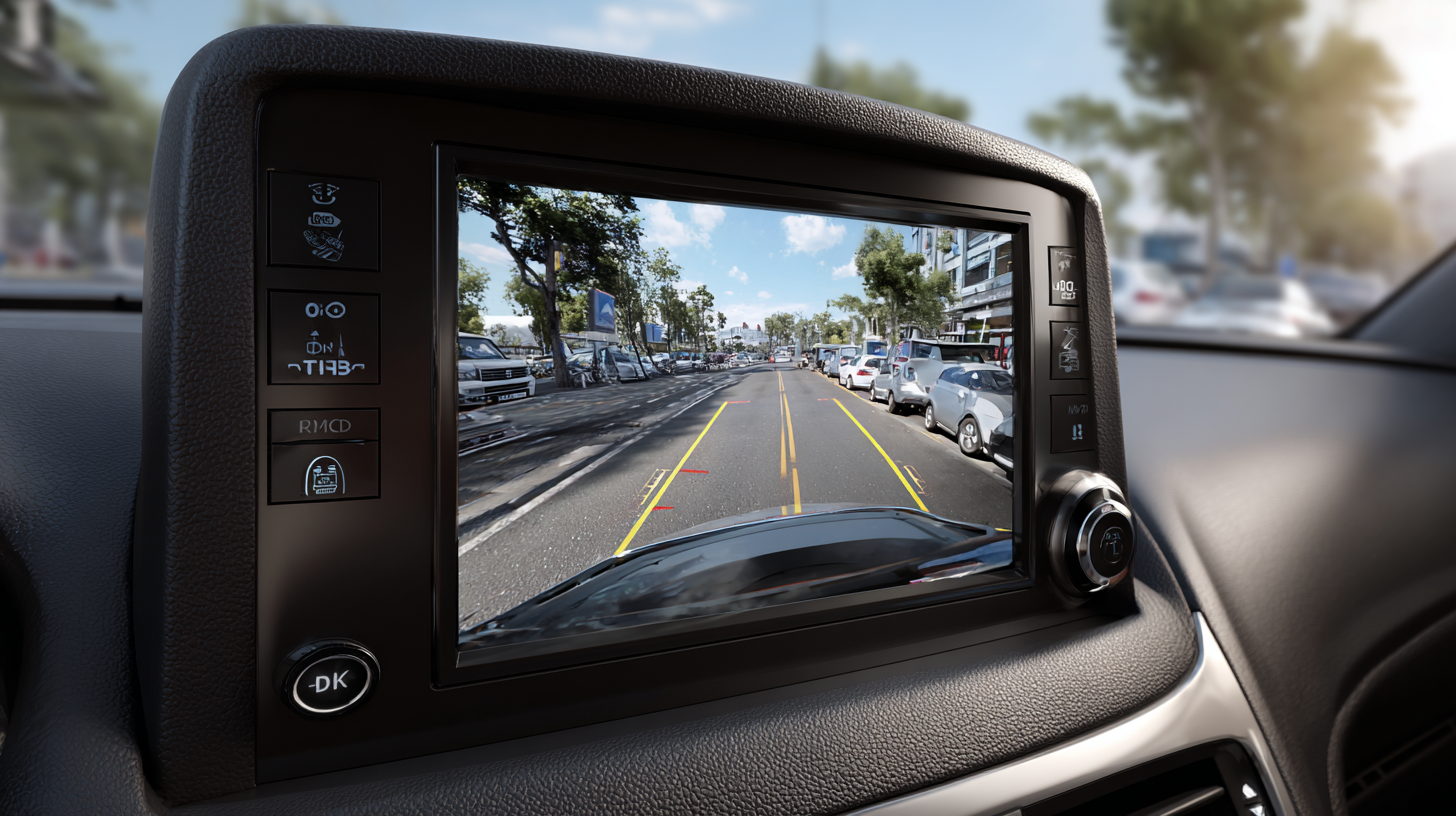
You know, in today’s crazy fast world of cars, keeping our rides safe is super important. One of the coolest upgrades in this area is the rear view camera. A report from the National Highway Traffic Safety Administration (NHTSA) says that these cameras can cut the chances of backover accidents by as much as 50%! That’s huge, right? It really shows how they boost driver awareness and help with those tricky Blind Spots. With more and more folks prioritizing safety features in their cars these days, picking a top-notch rear view camera is definitely a must. Over at Shenzhen Ziyang Xing Technology Co., Ltd., they’ve made a name for themselves as a go-to source in this field. Since they started back in 2014, they’ve been all about automotive electronics and video display tech. They really focus on creating high-quality camera modules that not only meet the industry standards but actually go above and beyond, helping drivers feel confident and safe on the road.
Common Issues Caused by Poor-Quality Rear View Cameras in Vehicles
Let’s face it—when it comes to driving safety, having a good rear view camera is super important. A lot of drivers really don’t realize just how risky it can be to rely on a lousy camera. One big issue is the clarity of the video. If it's all fuzzy or faded, you might completely miss obstacles that are lurking behind you. I mean, all those blurry images or even total blackouts can lead to accidents that could’ve been easily avoided if folks just invested in a solid rear view camera instead.
And it’s not just about seeing clearly in bright light. Cheap rear view cameras often totally flop when the sun goes down or when you’re in a poorly lit parking lot. I've seen so many near-misses happen in those dimly lit areas just because the camera couldn’t light things up properly. Plus, if the video feed is lagging, it can totally mess with your head when you're trying to back up quickly. It’s not just the driver's safety that’s at stake; it puts passengers, pedestrians, and other drivers in danger too. So, picking the right rear view camera isn’t just a choice; it’s crucial for keeping everyone safe and avoiding those awkward accidents that could've been prevented.
How Outdated Technology Can Compromise Rear View Camera Performance
You know, using outdated tech can really mess with how well rear view cameras work—and that can be pretty risky when it comes to driving safety. A report from the National Highway Traffic Safety Administration (NHTSA) reveals that every year, we lose nearly 210 lives and have over 15,000 injuries from backover accidents. Crazy, right? A lot of these accidents could be significantly reduced with modern rear view cameras. The older ones just don’t have the sharpness or the smart features we really need to spot potential hazards, which can definitely leave drivers in the dark about what’s right behind them.
So, to keep things safe, it really pays off to invest in the latest rear view camera tech. You’ll want to look for goodies like high-definition imaging, night vision, and real-time object detection. And don’t forget to make sure it works well with your vehicle’s systems! Regular check-ups on your camera’s functionality can save you from a world of trouble too. A quick clean of the lens and a check on the settings every few months can keep everything clear and sharp.
When you're thinking about upgrades, try to pick models that meet today's industry standards. Research shows that cars with good rear visibility systems can cut down on blind spots by up to 40%! So yeah, keeping up with tech advancements is super important if we want to boost rear view camera performance and drive a lot safer.
Environmental Factors Affecting Rear View Camera Functionality
You know, when we think about vehicle safety, those rear view cameras really make a huge difference in helping us see what's behind us and keeping accidents at bay. But here's the thing: their effectiveness can really depend on certain environmental factors. For instance, weather plays a big role. I mean, when it’s rainy, foggy, snowy, or icy, the camera lens can get pretty obstructed, right? That makes it tough to get clear images. Plus, if dirt and grime build up on the camera, it can mess with the visuals too, which means drivers might miss spotting potential hazards.
Lighting conditions are also super important. Rear view cameras usually rely on ambient light to do their thing. So, during the night or in low-light spots, the image quality can drop significantly—definitely not ideal when you're trying to maneuver safely. And don’t even get me started on glare from direct sunlight; that can really mess with visibility as well.
For vehicle owners, it’s key to keep these factors in mind when taking care of their rear view cameras. Regular maintenance, like cleaning the lens, can make a real difference, helping to tackle those challenges and ultimately making for safer driving experiences.
Troubleshooting Common Rear View Camera Problems
You know how rear view cameras have become such an important safety feature in today’s cars? Well, even these nifty gadgets aren't foolproof and can run into their own set of problems. It’s pretty common to deal with things like blurry images, cameras that just won’t turn on, or even connectivity hiccups. For starters, if your camera's giving you a fuzzy view, it might just have some dirt or grime on the lens, or even moisture. So, making a habit of cleaning it regularly is super important if you want to keep that view crystal clear.
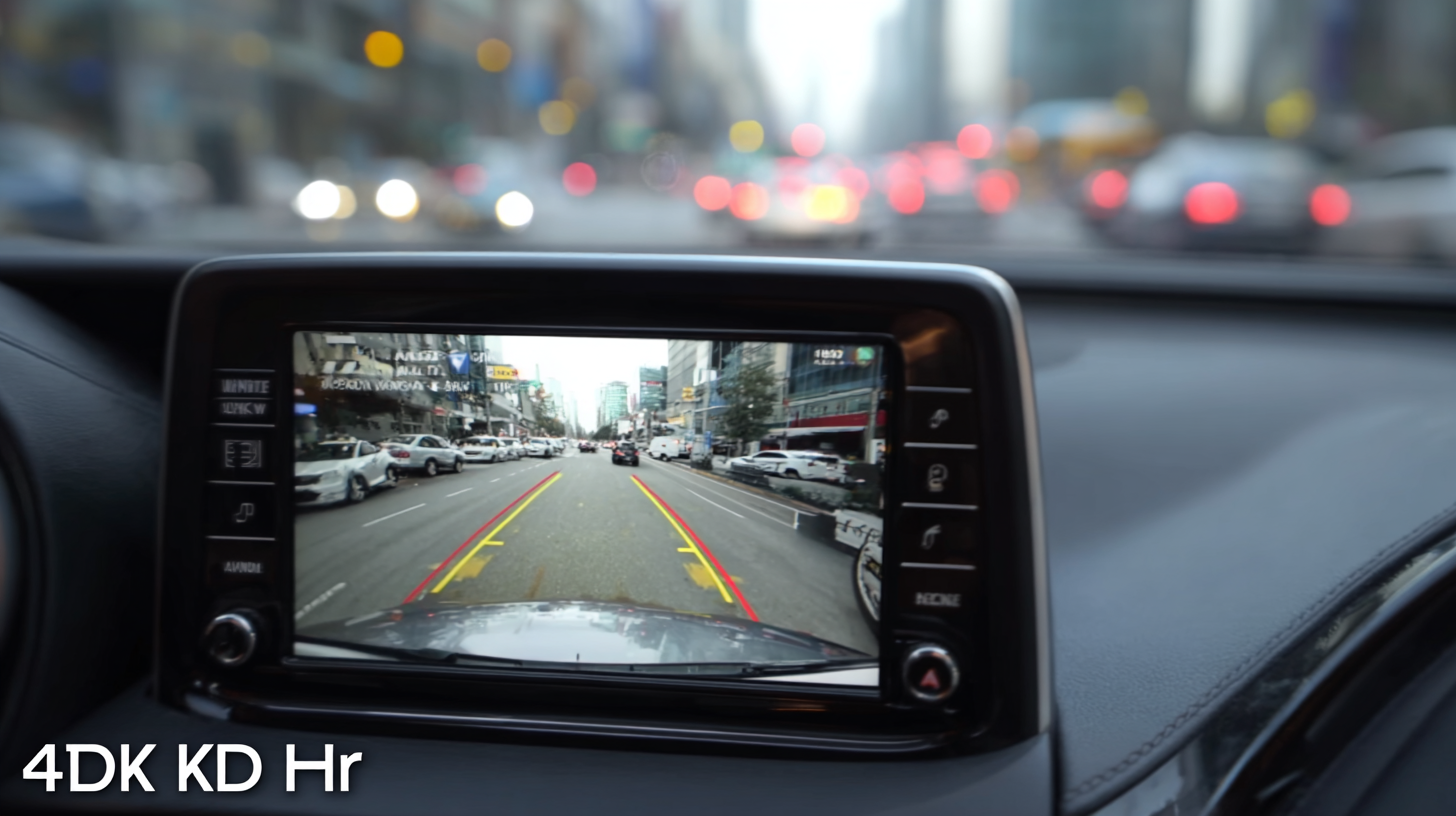
Now, if your camera doesn’t kick on when you’re backing up, try checking the fuse and wiring first. Those parts can wear out after a while, and you might just need to give them a little TLC.
Oh, and connectivity issues with your display screen can really mess with your rear view feed, too. So, make sure all the wiring is in one piece and securely connected—it’s a simple check, but totally vital for everything to work smoothly. If none of that works, well, you might be looking at a faulty camera or display module that needs a professional eye.
By figuring out these common rear view camera problems, you not only boost your safety while reversing but also feel a bit more confident on the road. A little routine maintenance and prompt repairs can make a world of difference—better visibility means a safer driving experience for you and everyone else on the road!
The Role of Proper Installation in Avoiding Rear View Camera Issues
Let’s talk about vehicle safety for a second. You know those rear view cameras? They’re pretty crucial when it comes to preventing accidents and making sure you can see what’s behind you. But here’s the thing: how well they work really depends on how they’re installed. A camera that’s positioned just right can give you a crystal clear view of the area behind your car, cutting down on those pesky blind spots and helping you spot obstacles way better. But if the installation’s off? Yikes. You might end up with weird angles, confusing displays, or even complete blind spots, which totally defeats the purpose of having one in the first place.
So, if you want these cameras to perform their best, you’ve gotta pay attention to how they’re installed. It’s all about finding that perfect spot where the camera can capture the best possible view without anything in the way. And trust me, positioning it too high or too low can really mess things up. Ideally, it should be right around the driver’s line of sight and fit well with the vehicle's structure. Plus, making sure all the connections are tight and settings are just right can help avoid those annoying issues like vibrations messing with the camera or moisture getting in there and causing problems. By taking the time to install your rear view camera correctly, you can really maximize its benefits and have a reliable safety buddy on the road!
Understanding the Importance of Best Rear View Camera for Your Vehicle Safety
Enhancing Vehicle Safety: Choosing the Right Rear View Camera Model
You know, when it comes to keeping your ride safe, picking the right rear view camera is super important. A good one can really boost your visibility and help you avoid those pesky collisions when you're backing up. Lots of modern cars come with these cameras already, but honestly, how well they work can vary a lot. You really want to choose a model that matches your specific driving conditions and what you need. Key features like how clear the picture is, the angle it gives you, and how well it performs in low light are definitely worth a look as you make your choice.
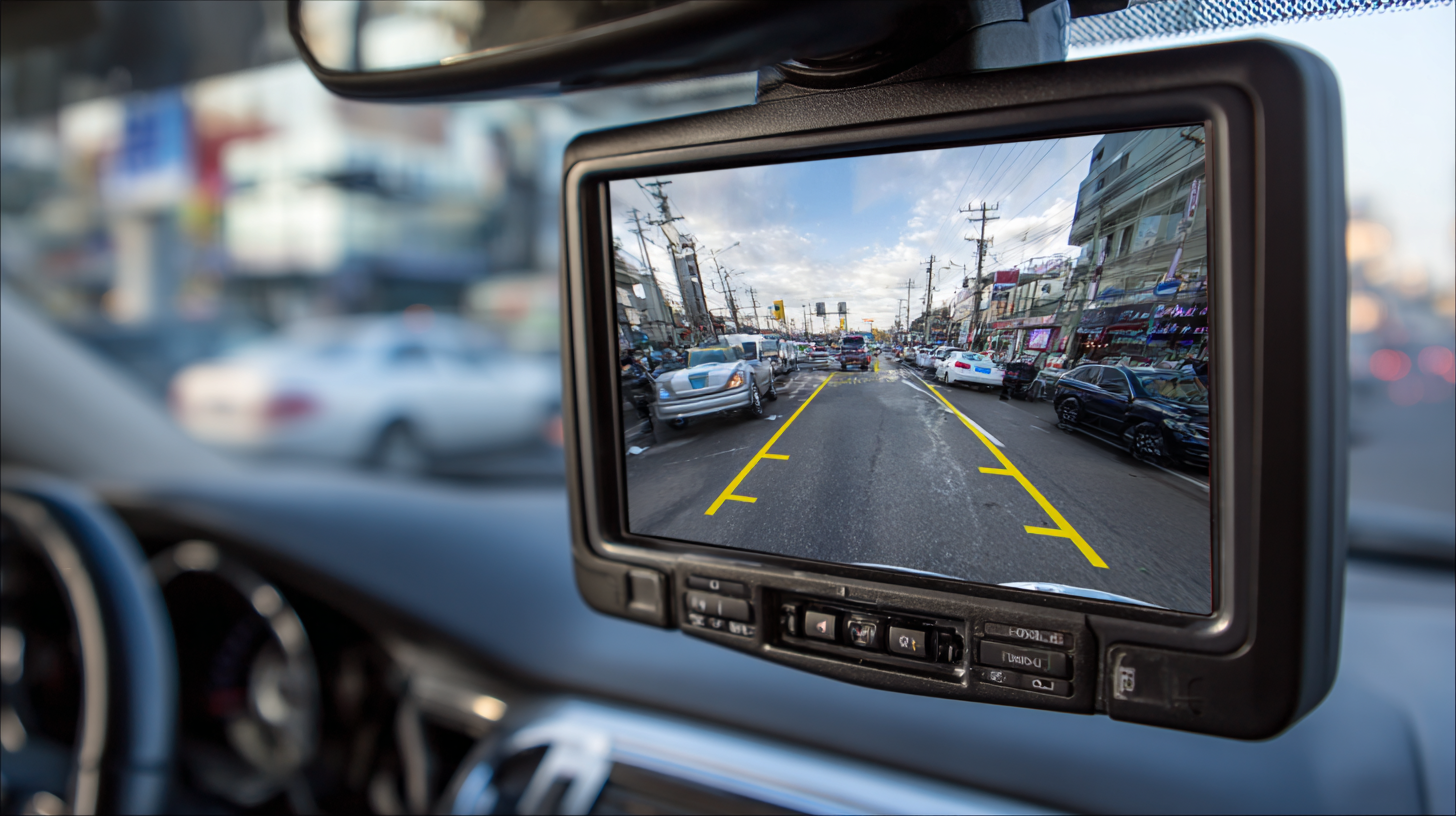
Plus, different rear view cameras come with their own unique perks, like grid lines that help you gauge distance better and alerts that let you know if something's sneaking up close. It’s really important to check if the camera you choose works smoothly with your car’s existing systems—nobody wants a headache trying to make things fit, right? In the end, investing in a rear view camera that ticks all your safety boxes and suits your lifestyle means you'll feel more at ease, especially when you're squeezing into tight spots or navigating crowded parking lots. Trust me, it makes a world of difference!
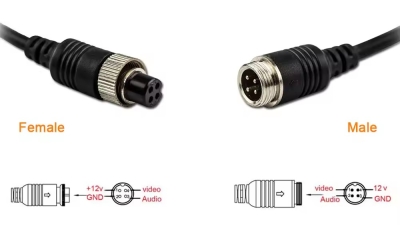
Maximize Your Vehicle's Safety with the ZY-CAA45 4-Pin Aviation Waterproof Extension Cable for Backup Cameras
Maximize Your Vehicle's Safety with the ZY-CAA45 4-Pin Aviation Waterproof Extension Cable for Backup Cameras
When it comes to enhancing your vehicle's safety, having a reliable backup camera system is essential. The ZY-CAA45 4-Pin Aviation Waterproof Extension Cable is designed to ensure that your camera stays connected, even in the toughest conditions. With a wide operating temperature range of -40°C to 90°C, this extension cable can withstand extreme weather, making it perfect for all-year-round use.
What sets the ZY-CAA45 apart is its full copper shielding that effectively combats interference, ensuring a clear and stable signal for your backup camera. Available in multiple lengths of 5m, 10m, 15m, and 20m, you can choose the perfect size to meet your installation needs. Constructed from high-quality materials, this cable boasts excellent wear resistance and flexibility, making it both durable and user-friendly. The aviation head connection offers a firm and stable fit, ensuring easy plug-and-play functionality while delivering impressive waterproof and dustproof performance.
Don’t let poor wiring compromise your vehicle’s safety. By choosing the ZY-CAA45 extension cable, you’re not only investing in a quality product but also prioritizing your safety on the road. Enjoy peace of mind knowing that your backup camera system is supported by a robust, reliable connection designed for any environment.
FAQS
: Weather conditions such as rain, fog, snow, ice, and dirt accumulation can obstruct the camera lens, reducing image clarity. Lighting conditions, including low light at night or glare from direct sunlight, can also impact visibility.
Rain, fog, snow, and ice can block the camera lens, while dirt and grime can cause visual distortions, making it harder for drivers to detect obstacles.
Regular cleaning is crucial, as a blurry image may be caused by dirt, grime, or condensation on the lens.
Examine the fuse and wiring connections, as these components can wear out over time and may need to be repaired or replaced.
Issues can arise from damaged wiring or improper connections leading to disruptions in the rear view feed. Ensuring secure connections is vital for seamless operation.
Proper installation is crucial for optimal performance, as incorrect placement can create blind spots, disorienting displays, or discomforting angles that hinder a driver’s visibility.
The camera should be positioned at a height that aligns with the driver's line of sight and the vehicle structure to capture the best possible view.
Regular cleaning of the camera lens, checking connections, and timely repairs are necessary to ensure better visibility and contribute to safe driving experiences.
Yes, understanding and addressing environmental factors is crucial, as they can hinder the camera's ability to provide clear and safe images for driving.