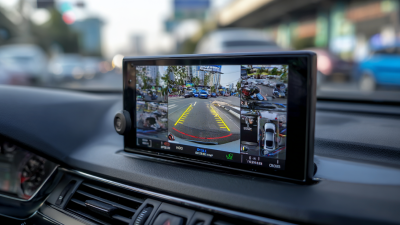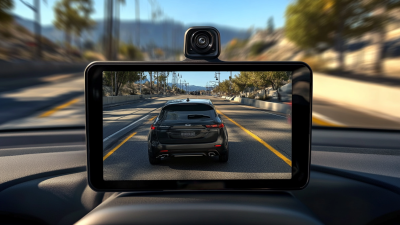
In today’s fast-moving world of cars and transportation, having a reliable Backup Cameraisn’t just a nice-to-have — it’s pretty much essential. You know, stats show that about one in four car accidents happen when someone’s reversing their vehicle. That’s a big deal, and it’s why more and more companies are jumping on the bandwagon to upgrade their fleets with top-notch safety features, like Backup Cameras.
Shenzhen Ziyang Xing Technology Co., Ltd. has really positioned itself as a leader in this space. With years of hands-on experience creating automotive electronics — from camera modules to video display tech — we’re all about pushing safety forward. Since we kicked things off back in 2014, our goal has been to make vehicles safer with innovative solutions that truly make a difference. Picking the right backup camera isn’t just about ticking boxes — it’s about making sure your business stays compliant, protects your assets, and keeps your people safe. This guide is here to break down what you should look for when choosing a backup camera, so your business can make smarter choices and boost safety without the hassle.
When you're looking into backup cameras for your business, quality really matters—especially if you're buying from manufacturers in China. Sure, these cameras often come with a lower price tag upfront, but in the long run, reliability and performance are what truly count because they can make or break your daily operations. A good backup camera should give you a clear, wide-angle view, and it’s a bonus if it has features like night vision and is built tough enough to handle different weather conditions.
The market for China-made backup cameras is exploding, and that’s actually a good thing—it shows how much technological innovation is happening. Lots of manufacturers are now offering models with advanced sensors and smart image processing, which is pretty cool. But here’s the thing: you’ve gotta do your homework. Check out their certifications, read reviews, and look into warranty policies. Taking these steps helps you find a camera that truly fits your needs and meets quality standards. Skipping this part can lead to costly mistakes, especially with lower-quality gear, and honestly, you want an investment that boosts your safety and makes things run more smoothly at work.
When you're on the hunt for the best backup camera for your business, it's really important to focus on the key features that guarantee everything runs smoothly. A high-resolution screen is a biggie — it helps you get a clearer view of your surroundings and can totally help prevent accidents. Honestly, look for cameras with at least 720p; that level of clarity usually does the trick for spotting obstacles or pedestrians in your path.
And don’t forget about the field of view. A camera with a wider angle lets you see more around you, which is super helpful, especially in hectic spots. Cameras that can give you a 180-degree view or beyond are great—they cut down on those pesky Blind Spots and make things way safer. Oh, and if you're working late or during low-light hours, a camera with night vision is a total bonus. It keeps visibility clear even after sunset. By focusing on these things—good resolution, wide view, and night vision—you can pick a backup camera that not only boosts safety but also makes your day-to-day operations run a lot smoother.
Looking for the perfect backup camera for your business? It's all about finding that sweet spot between quality and what fits your budget. I read a report recently from the Consumer Electronics Association that said nearly 70% of businesses say that video quality is one of their top priorities when choosing camera gear. Sure, high-def cameras give you crystal-clear images, but they also tend to come with a higher price tag. So, it's really important to think about what you actually need and which features are must-haves for your day-to-day operations.
One good tip for keeping costs in check? Focus on features that truly affect your business functions. For example, if night vision is crucial for your setup, you might want to shell out a little extra for a camera with that capability—trust me, it can save you money in the long run by preventing mishaps or inefficiencies that cheaper, lower-quality options could cause. Also, don’t forget to check if the models come with extended warranties or service plans. It might bump up the initial investment a bit, but it can really pay off if repairs or replacements become necessary down the line.
Another thing to keep in mind is the overall cost of ownership. A study from TechNavio pointed out that many businesses tend to overlook the ongoing expenses like maintenance or upgrades. To avoid surprises, go for cameras from trusted brands known for their durability and good customer support. By investing wisely in quality gear—without breaking the bank—you can keep your operations running smoothly without stressing over hidden costs.
You know, as more and more businesses realize just how crucial safety and efficiency are, we're seeing a real boost in the demand for backup cameras. It’s kind of everywhere these days — industries are jumping on the latest tech to make their operations smoother and safer. And if you look ahead to 2032, it’s pretty clear that the backup camera market is expected to grow a lot, kind of like what’s been happening with things like refrigeration and aviation systems. This rising trend just highlights how important it is for companies to keep up with new tech and understand what consumers really want.
That said, choosing the right backup camera isn’t always straightforward. There are a bunch of things to consider, like image quality, whether it works well with your existing setup, and how easy it is for your team to use. As the market keeps changing, businesses need to do their homework — researching which systems are reliable and fit their long-term plans. The key is staying informed about these trends so they can pick solutions that not only boost safety but also help them grow and operate smarter overall.
When you're trying to pick out a backup camera for your business, digging into customer reviews really makes a difference. Honestly, pretty much 81% of folks do their research online before making a buy—that just goes to show how much real users’ experiences matter. Good reviews not only boost your confidence that you're choosing something reliable, but they also give you a sneak peek into how the product actually works in real-world situations. This can really help you figure out if it’s the right fit for your specific needs.
And in the fast-changing world of vehicle safety tech, having a solid guide is a lifesaver. There's quite a range of 360-degree camera systems out there now, which are fantastic for businesses that need better visibility when they’re backing up or maneuvering in tight spots. Most of these systems come packed with features like parking sensors and advanced backup cameras—mainly to help cut down on blind spots and boost overall safety. Industry reports show that combos like parking sensors plus backup cameras aren’t just popular—they actually boost satisfaction. In fact, studies suggest there’s around a 30% drop in parking mishaps when folks use these setups properly. All these stats go to show just how critical honest customer reviews are—they really help you spot the best gear for your specific needs.
So, when you're adding backup cameras to your business setup, it’s pretty important to have a clear plan in mind. A good starting point is to figure out exactly where you’re lacking visibility. Think about those high-traffic areas—like loading docks or crowded parking lots—and how these cameras could really boost safety and make things run smoother. Picking good-quality cameras that fit the environment really pays off; you want them to do their job well, after all.
Now, about the installation part—don’t just go it alone unless you’re confident about it. Bringing in pros who know their way around vehicle tech can make all the difference. They can help you find the best spots for the cameras to give you the clearest view and even help you integrate everything smoothly with your current fleet systems. And hey, don’t forget to train your team on how to use these new setups. Proper training can save you from mishaps and actually make your daily operations a lot easier.
Lastly, it’s worth putting regular checks into your routine. Ongoing maintenance means you catch problems early and keep the cameras in top shape, reducing any chances of glitches or breakdowns. Staying on top of your tech, investing some time in training, and keeping everything maintained—all that adds up to a safer, more efficient business in the long run.
| Camera Type | Resolution | Field of View | Night Vision | Integration Type |
|---|---|---|---|---|
| Wired Backup Camera | 720p | 120 degrees | Yes | Direct Monitor Connection |
| Wireless Backup Camera | 1080p | 150 degrees | Yes | Smartphone App |
| 360-Degree Camera | 1440p | 360 degrees | Yes | Vehicle Navigation System |
| License Plate Camera | 480p | 90 degrees | No | Standalone Monitor |
| Night Vision Camera | 720p | 100 degrees | Yes | Integrated System |
: The quality of backup cameras is crucial for ensuring long-term reliability and performance, which significantly affects operational efficiency. High-quality cameras provide clear views and essential features like night vision and durability.
Businesses should prioritize features such as clear wide-angle views, night vision capabilities, and durability to withstand various environmental conditions, as these directly impact functionality and safety.
Businesses can balance quality and affordability by evaluating specific needs, prioritizing essential features, and considering models with extended warranties to mitigate long-term costs.
Businesses should check certifications, read reviews, and assess warranty policies to ensure that the selected backup camera meets operational needs and quality standards.
The backup camera market is expected to see substantial growth by 2032, paralleling trends in other industries as businesses increasingly adopt advanced camera technologies.
The total cost of ownership includes long-term expenses related to maintenance and upgrades, which can often be overlooked but significantly impact overall budgeting and operational efficiency.
The rising demand for enhanced safety and efficiency in operations, coupled with advancements in camera technology, is driving businesses to adopt backup cameras for better operational capabilities.
Conducting thorough research on market trends, image quality, integration capabilities, and user interface can help businesses identify reliable camera systems that align with their strategic goals.