Leave Your Message
0%

You know, in the fast-paced world of visual production, you really can't underestimate the role of high-quality Camera Monitors. A recent report from MarketsandMarkets pointed out that the global camera monitor market is on track to hit a whopping USD 1.2 billion by 2025! Can you believe it? This surge is largely due to the growing demand for stunning high-definition videos and some impressive leaps in camera technology.
Solutions for Enhancing Visual Production with the Best Camera Monitor Technology

At the forefront of this exciting shift is Shenzhen Ziyang Xing Technology Co., Ltd.They've been in the game since 2014, combining their deep knowledge of automotive electronics and video display systems to really up the ante in visual production. Their team is all about creating top-notchLCD driver motherboards and camera modules that deliver peak performance and reliability. So, as we dive into ways to boost visual production with awesome camera monitor tech, it's pretty crucial to grasp how these advancements are reshaping the industry and setting new benchmarks worldwide.

Future Camera Monitor Innovations: Key Trends to Watch in 2025

You know, as people are craving more and more top-notch visuals, camera monitor tech is really stepping up to the plate to keep up with what creators and pros need. Looking ahead to 2025, we're in for some exciting innovations that are set to supercharge the user experience, bump up image accuracy, and give us way more flexibility in all kinds of production settings. One thing we should definitely keep an eye on is how artificial intelligence is being woven into these camera monitors. Just imagine real-time adjustments and automated settings that tweak themselves based on lighting and how subjects are moving—it's like having a little assistant right there with you!

If you want to get the most out of your camera monitors, it might be a good idea to invest in ones with touch screen interfaces. Honestly, they make navigation feel so much more intuitive. And hey, checking that your gear is compatible with those high-tech LCD driver motherboards—like the ones from Shenzhen Ziyang Xing Technology Co., Ltd.—is crucial for smooth integration between your camera and those awesome displays.

Also, there’s this cool trend towards wireless connectivity in camera monitors. It’s going to make teamwork a whole lot smoother since multiple folks can access live feeds on the fly, no matter where they are. By keeping up with these developments, professionals are going to really boost their visual production skills and create some seriously standout content, especially as the competition gets fiercer.
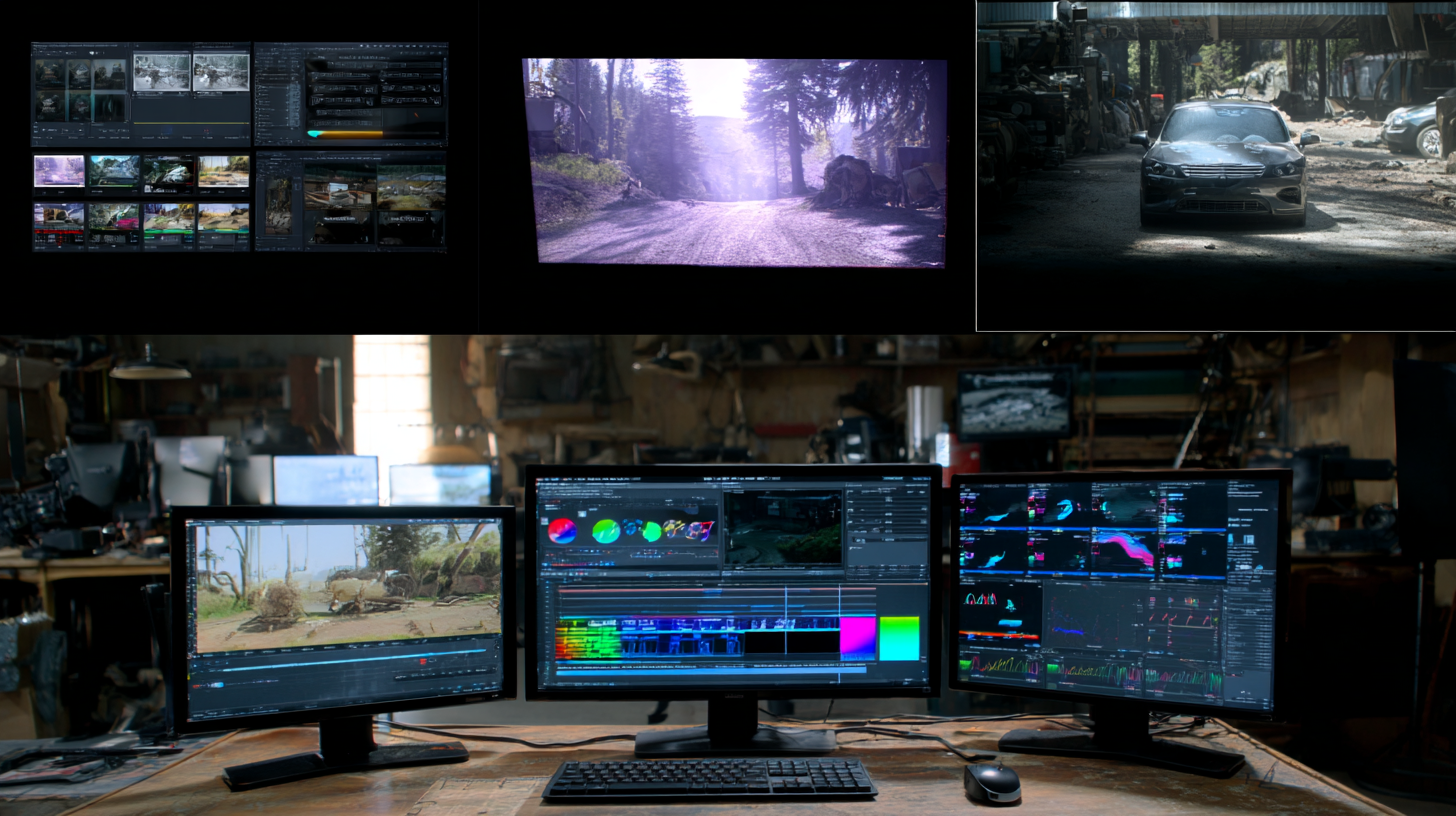
Solutions for Enhancing Visual Production with the Best Camera Monitor Technology

Top Features for Optimal Visual Production: What to Look For in Monitor Tech

So, if you’re diving into visual production, let’s talk about how picking the right camera monitor can really amp up your creative game. One of the first things you should check out is the resolution. Having a high-resolution monitor is a game changer because it lets you see every little detail clearly. I mean, when you’re working with 4K resolution or even better, you get this super crisp image that makes tweaking things on the fly—like color grading and focusing—a breeze during shoots.

And then there’s color accuracy, which is totally key. You want your monitor to show colors just as you imagined them. That way, what you see on screen matches what you’ve got in mind. Keep an eye out for monitors that cover high color gamuts, like Adobe RGB or DCI-P3; they’ll give you a wider burst of colors to play with, which can really make your projects pop, especially if you’re aiming for something vibrant and true to life. Plus, if a monitor has HDR (High Dynamic Range) support, you’ll be able to pull more detail out of those tricky shadows and highlights. It’s just one more way to boost the overall quality of what you’re creating.

Solutions for Enhancing Visual Production

This chart illustrates the key features to consider when selecting camera monitor technology for optimal visual production. High resolution and color accuracy are rated as the most important attributes, ensuring superior image quality for visual projects.

Comparing Traditional vs. Modern Camera Monitors: Pros and Cons

So, when you’re picking out a camera monitor, it’s super important to think about the pros and cons between the old-school tech and the new stuff. Traditional monitors, like those trusty LCD screens, have been around forever and are pretty much the backbone of the industry. They’re reliable and familiar, which is why a lot of filmmakers still swear by them. But here’s the kicker: a report from the International Imaging Industry Association shows that while these traditional monitors get the job done, they often fall short when it comes to high dynamic range (HDR) and color accuracy that newer models offer.

On the flip side, you’ve got modern camera monitors that are totally decked out with the latest tech. We’re talking OLED displays that deliver mind-blowing contrast ratios and a way wider color range. A 2022 survey from the Society of Motion Picture and Television Engineers (SMPTE) revealed that more than 65% of pros are leaning towards these modern monitors. Why? Well, they come packed with awesome features like touchscreens, built-in LUTs, and wired options. These upgrades not only make monitoring during shoots a breeze but also help to simplify things in post-production. So really, investing in a modern camera monitor could be a smart move for both new filmmakers just starting out and seasoned pros who have been in the game for a while.

Expert Recommendations: Best Camera Monitors for Every Budget

So, if you're on the hunt for the best camera monitors that fit various budgets, it’s super important to know what features really amp up your visual production game. You definitely want high-resolution displays with accurate color representation, especially if you’re a content creator looking to churn out professional-quality stuff. Lately, more and more folks are leaning towards monitors that have at least 4K resolution, and honestly, it’s easy to see why! They offer such a fantastic level of clarity and detail that it can have a direct impact on the quality of your final output.

Tips for Picking the Right Camera Monitor:

  • Resolution is Key: Choose monitors that at least support 4K resolution. You want your footage to look sharp, right? It makes editing and color grading so much easier!
  • Get Your Colors Right: Find monitors that boast a wide color gamut and high color accuracy. This is super crucial if you're into photo and video editing. Monitors with a good range in industry-standard color spaces? Totally worth it!
  • Connectivity Options: It’s a good idea to make sure your monitor has plenty of connectivity options like HDMI and USB-C. That way, you can easily hook it up to all sorts of devices, which really streamlines your workflow.

So, putting your money into a top-notch camera monitor that fits your budget can really take your visual production to the next level. It’ll make creating stunning content that connects with your audience a whole lot easier!

Exploring Alternative Technologies: Beyond Conventional Camera Monitors

You know, in the world of visual production, traditional camera monitors have always been the go-to choice. But guess what? New technologies are starting to shake things up and really change the game, bringing some cool solutions that improve how things work and how users feel about them. Take Shenzhen Ziyang Xing Technology Co., Ltd., for instance—they're right at the cutting edge of this shift. They have a ton of experience in automotive electronics and video displays, and they’re using that know-how to create some pretty amazing products that challenge what we think of as a standard monitor.

One standout idea is combining high-resolution LCD driver motherboards with advanced camera modules. This combo gives filmmakers and content creators some really flexible display options. Not only do these new technologies boost image clarity and color accuracy, but they also make it a breeze to make real-time adjustments and set up mounts however you want. This is super important, especially when you’re shooting in dynamic environments. As we keep pushing forward in digital and visual production, checking out these new technologies could really up the ante for production quality and efficiency, helping creators nail their artistic visions with a lot more precision and ease.

Enhancing Workflow Efficiency: Integrating Monitor Tech into Your Production Setup

You know, in today’s fast-paced world of visual production, having advanced camera monitor tech is super important if you want to boost your workflow. At Shenzhen Ziyang Xing Technology Co., Ltd., we’ve been around the block when it comes to automotive electronics and video display solutions. So, we’re all about providing top-notch monitoring systems that really help elevate the quality of your production. With our know-how in crafting LCD driver motherboards and camera modules, we make sure that creators have the best gear to deliver those stunning, vibrant visuals.

Solutions for Enhancing Visual Production with the Best Camera Monitor Technology

When you smoothly integrate these monitoring technologies into your production setup, your team can get real-time feedback on their work. This means you can make quick tweaks and really ramp up productivity. Plus, our high-resolution displays with spot-on color accuracy help filmmakers make smart creative decisions on set, which can seriously cut down the time you’ll spend in post-production. And hey, we really focus on making our designs user-friendly, so not only do they boost visual output, but they also make the workflow simpler. That way, artists can really dive into their craft without getting bogged down by tech issues.

FAQS

: What are the main differences between traditional and modern camera monitors?

: Traditional camera monitors typically use LCD screens and offer reliability, while modern monitors feature OLED displays with superior contrast ratios, high dynamic range (HDR), and advanced color accuracy.

Why might filmmakers prefer modern camera monitors?

Over 65% of professionals prefer modern monitors due to their enhanced features like touchscreens, built-in LUTs, and wireless capabilities, which improve monitoring during production and streamline post-production processes.

What is the significance of HDR in camera monitors?

High dynamic range (HDR) allows for better color accuracy and contrast, improving the overall image quality and making it essential for modern filmmakers looking to enhance production quality.

How do emerging technologies impact camera monitor functionality?

New technologies, such as high-resolution LCD driver motherboards and advanced camera modules, improve image clarity, color accuracy, and facilitate real-time adjustments, enhancing the user experience during dynamic shoots.

What advantages do integrated monitor technologies offer?

Integrated monitor technologies assist filmmakers by providing real-time feedback, enabling swift adjustments, and significantly reducing the time spent on post-production, thus enhancing overall workflow efficiency.

How can monitor technology improve the creative process for filmmakers?

With high-resolution displays and accurate color reproduction, filmmakers can make informed creative decisions on set, allowing them to focus on their craft without technological hindrances.

Are there any notable companies leading the innovation of camera monitors?

Companies like Shenzhen Ziyang Xing Technology Co., Ltd. are at the forefront of developing cutting-edge camera monitor products, combining expertise from automotive electronics and video display technologies.

What features should filmmakers look for in a modern camera monitor?

Filmmakers should seek monitors with touchscreens, built-in LUTs, wireless capabilities, and high dynamic range to enhance both production and post-production quality.

What role do user-friendly designs play in camera monitors?

User-friendly designs in camera monitors help simplify the workflow process for filmmakers, allowing them to focus more on creativity rather than technical issues.

How do modern monitors affect post-production processes?

The advanced features of modern monitors reduce the need for major corrections in post-production, as they allow for more accurate monitoring and adjustments during the filming process.

Liam

Liam

Liam is a dedicated marketing professional at Shenzhen Ziyangxing Technology Co., Ltd., where he leverages his extensive knowledge of the company's innovative products to drive success. With a deep understanding of the technology industry, Liam consistently updates the company's website with......
Previous Discover Enhanced Driving Safety with Innovative Car Navigation System and Backup Camera