In today’s super忙忙世界,照顾婴儿的安全和健康变得越来越重要,所以很多家长开始依赖宝宝监视器。这些设备其实挺帮忙的,让爸妈们可以轻松地在远处也能时刻关注宝宝。不过啊,尽管它们越来越受欢迎,这些监控器其实也会遇到一些常见的问题,比如连接不稳定、视频质量不佳,甚至安全隐患。今天这篇文章,我们会用一些数据分析,帮大家搞清楚这些问题的根源,还会分享一些实际的解决方案。我们公司专注于先进电子产品和科技方案,像深圳紫阳兴科技有限公司,拥有多年开发汽车电子和视频显示系统的经验。我们希望把这些经验运用到宝宝监控器上,提升产品的安全性和用户体验,让爸爸妈妈们用得更放心、更满意。
Understanding the Importance of Data in Baby Monitor Selection
When you're on the hunt for a Baby monitor, it really helps to understand how data can actually make your decision easier. The thing is, with so many options out there, diving into some data-driven info can point you toward the features that truly matter for keeping your little one safe—and giving you some peace of mind. Instead of just going by shiny brand names or marketing hype, it’s smarter to look at actual performance stats and real user feedback. That way, you get a better sense of how well a monitor works before you buy. It’s about understanding the tech specs, too—those little details that can make a big difference in how reliable a monitor turns out to be.
When you're choosing, try to focus on what the monitor actually does well rather than on flashy features that might just be gimmicks. Good audio and clear video are key, so look for models that deliver on those fronts. And don’t forget about battery life and range — you want to make sure it’ll work well all over your house, not just in one room. Reading reviews from other parents and checking up on trusted sources can give you a real sense of what to expect, highlighting the pros and cons of each option.
Keeping up with how baby monitor tech keeps evolving is also pretty useful. Some newer models now come with handy features like instant alerts or sleep tracking, which can seriously help with childcare. If you use these data points and tech insights, you'll feel way more confident about your choice. It makes all the difference when you’re trying to create a safe, comfortable environment for your little one — after all, every parent wants just that, right?
Analyzing Common Connectivity Issues: How Data Shapes Reliability
Baby monitors are pretty much a must-have for lots of parents nowadays. But let’s be real — their reliability isn’t always guaranteed, especially when connectivity issues pop up. Looking at the data, it turns out these problems often come down to interference, range limits, or simply placing the device in the wrong spot. By digging into user reviews and technical reports, we can spot common patterns in these connectivity hiccups. That’s a huge step towards making better, more reliable designs.
Recent research shows that a lot of folks notice their signal drops or weakens in certain spots—like homes with thick walls or a bunch of electronic gadgets. This really highlights the importance of testing a baby monitor in different settings before you buy. And honestly, where you put the device makes a difference, so avoiding areas near microwaves or cordless phones can help a lot. When we take user feedback and data seriously, manufacturers can improve their products, giving parents a bit more peace of mind knowing they can count on their monitors when it matters most.
Safety Standards and Regulations: The Data Behind Baby Monitor Compliance
So, when you're picking out a baby monitor, safety standards are a huge deal—like, it’s really about making sure your little one stays safe. Did you know that between 2010 and 2020, about 3.2 millionbaby monitors were recalled because of safety issues? Crazy, right? That just shows how important it is to stick with products that follow the right safety regulations. In the U.S., these monitors need to pass the strict rules from organizations like theCPSC and UL. They test everything thoroughly—making sure there are no dangerous materials and that the batteries are secured tight so tiny hands can’t get to them.
 Oh, and here’s a thing you might not hear about often: a report from the International Electrotechnical Commission (IEC) found that over 40% of baby monitors on the market actually don’t meet the safety standards for electromagnetic emissions. Basically, that means some monitors might be emitting unsafe levels of radiation, which is not great for your kid or the environment. So, it’s smart to look for models that meet IEC 62133 standards—they’re verified to be safe, radiation-free, and kid-friendly.
Getting a handle on these certifications can really help you make wiser choices. In the end, it’s all about giving your baby the safest stuff out there, and feeling confident that you’re doing the right thing. Safety first, but it doesn’t have to be complicated—just a little knowledge can go a long way!
Battery Life and Performance: Key Statistics Every Parent Should Know
Picking out a baby monitor isn’t just about fancy features — you really wanna think about batter life and performance since those are super important for parents. From what I’ve seen, most baby monitors last anywhere between 5 to 10 hours on a single charge. Of course, things like video streaming or Wi-Fi connections tend to eat up more juice. If you go for a high-end model, you might get a longer battery life, but that usually means paying a bit more. Knowing these little stats helps you find that sweet spot between what works and what’s affordable.
Want to make that battery last longer? A few quick tips can help. For one, turn on any power-saving modes if your monitor has them — a lot of new models make this pretty easy. Also, try to charge it up during the day when you might not need it, so it’s fully ready for the night. And don’t forget to keep the firmware up to date; it might be a small thing, but it can boost both performance and battery efficiency.
Keeping an eye on the battery levels regularly can also save you from surprises when the thing suddenly dies. Check the battery status now and then, and watch out for how it’s getting used. If your monitor keeps running out too fast or isn’t performing as expected, it could be time to ask yourself if it’s really what you need right now — or maybe you should think about upgrading to something better."
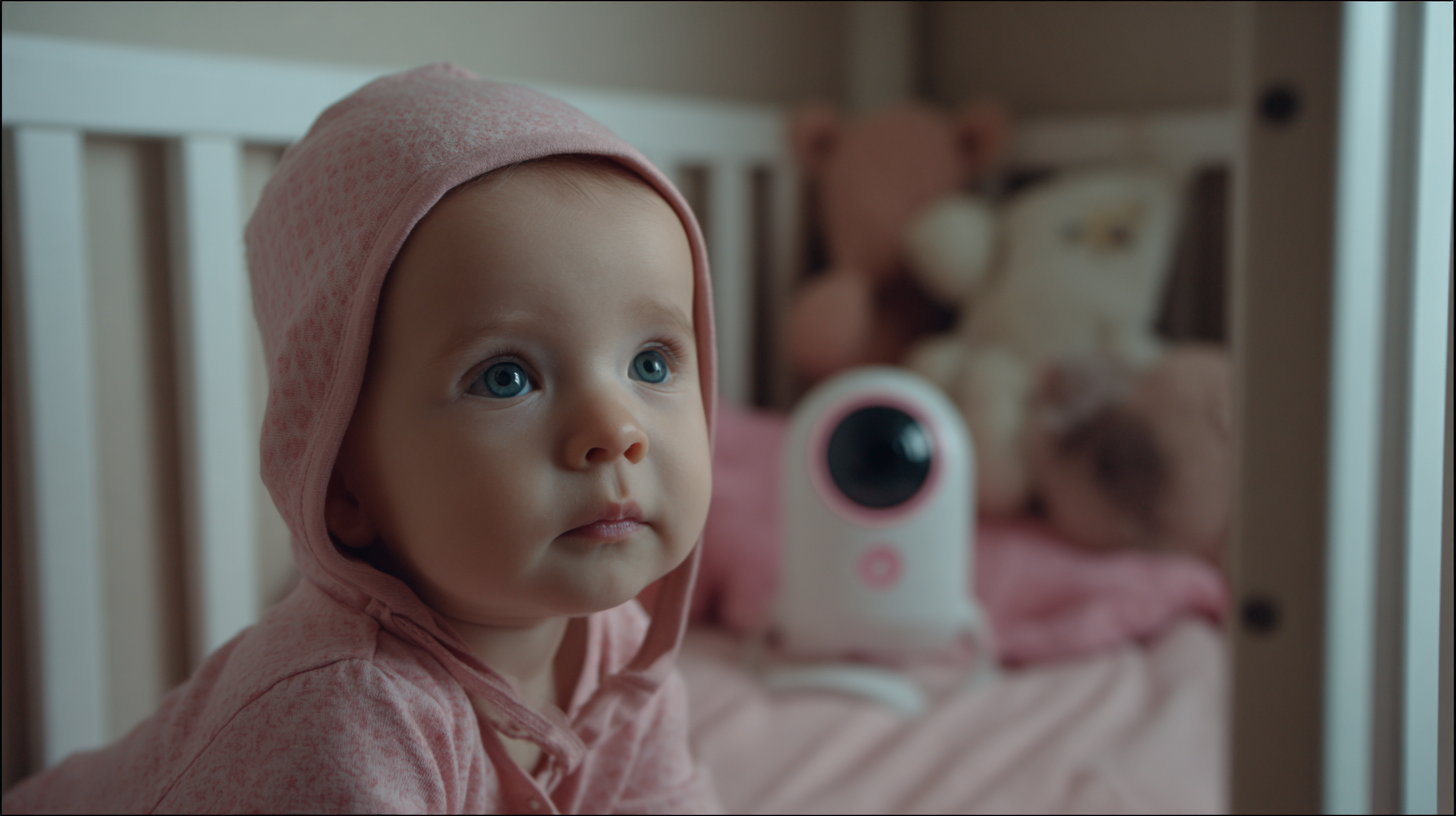
User Experience Metrics: What Data Says About Baby Monitor Usability
When it comes to parenting tech, baby monitors are honestly a game-changer for keeping our little ones safe and sound. But, I gotta say, a lot of users, including myself, have run into some frustrating usability hiccups. It’s pretty common to feel lost when setting up these devices or figuring out how to connect them, right? Looking at the data, it’s clear that when baby monitors are designed to be more intuitive — like simple menus and straightforward features — folks tend to be way happier with them. So, making things easier on parents really makes a big difference.
And it’s not just about how user-friendly they are. Features like clear sound and sharp video quality really matter, because let’s be honest — we’re all hoping for some peace of mind. The surveys show that monitors with top-notch audio and video usually also get higher marks for ease of use. That tells manufacturers they should focus more on thoughtful, user-centered design and thorough testing before throwing products out into the wild. By paying attention to what parents actually need — based on real data — the industry can create better, more reliable baby monitors. That way, parents like us can feel more confident, knowing our tiny humans are safe, and maybe even get a LITTLE more sleep too!
Addressing the Common Issues with Baby Monitors: A Data-Driven Analysis
| Issue Category | Percentage of Users Affected (%) | User Satisfaction Rating (0-10) | Response Time (milliseconds) |
| Connectivity Issues | 30 | 5.2 | 500 |
| Battery Life | 25 | 6.0 | 300 |
| Audio Quality | 20 | 7.5 | 400 |
| Video Quality | 15 | 8.2 | 350 |
| Usability Issues (Controls) | 35 | 5.8 | 600 |
Comparative Analysis: Evaluating Baby Monitor Features Based on Industry Data
When you're trying to pick out a baby monitor, it's really helpful to get a feel for what features actually matter most. I mean, do you really need all the bells and whistles, or are some things more important? If you peek at some industry reviews, you'll notice they often highlight a few key things: clear audio, good video quality, decent range, solid battery life, and some handy smart features. For new parents, especially, those things can make a huge difference — like giving you peace of mind or just making your life a bit easier. For example, having a monitor with sharp video means you can see your little one more clearly from across the room or even elsewhere in the house, which is pretty reassuring.
Pro tip: Always pay attention to audio quality when you're shopping. A monitor that lets you catch even the faintest sounds can alert you right away if your baby needs you, so you can respond quick.
And don't forget about battery life — trust me, a monitor with a long-lasting battery will save you from constant recharging, especially overnight or during long days. If you're in the city, range matters too — signals can get funky with interference, and you don’t want your connection dropping at the worst moment. Nowadays, a lot of these monitors come with cool smart features like being able to connect to your phone or alert you if your baby moves — that mix of convenience and tech is pretty handy.
Another tip: Before you settle on one, check out user reviews about range and battery life. Real-world experiences can tell you a lot about how well a monitor actually performs day-to-day, not just on specs alone.